


Cortisol and Testosterone: How Stress Affects Hormones
When it comes to assessing why your body looks and functions the way it does, factors like the type, duration, frequency, and intensity of your workouts, combined with the cleanliness of your nutrition, and the quantities of assorted nutrients in your diet will probably leap to your mind well before your hormone levels will.
It’s true that these factors lay the foundation for a solid starting point, but your hormones are of vital importance to your body’s inner workings. Despite this, a crucial factor like the amount of stress you are presently under might elude your thoughts completely. One of the reasons for this is because weight, reps, and grams of protein are easy to quantify, while something like the volume of stress you are under is virtually impossible to gauge.
Well, the fact of the matter is that stress produces cortisol, which has a dramatic effect on your body’s hormone levels, including your testosterone. So with this in mind, it’s time to explore the connection between cortisol and testosterone, estimate the hidden cost of stress on your physique, and learn ways to keep your testosterone levels high in the face of stressful life circumstances.
Why does your body produce cortisol?
While cortisol is a much maligned hormone, it is actually one of the most useful and beneficial hormones that your body produces, and one that you would have difficulty surviving without. That’s because cortisol is your body’s first line of defense when you are placed in a stressful, fight-or-flight situation. Its fundamental purpose is to promote rapid adaptations in your body to help you fight off threats of all kinds.
First, cortisol shifts your primary source of energy to muscle tissue and fat, which ensures that you’ll have a virtually limitless supply of immediate energy as you fend off whatever is causing stress to your body or mind. Cortisol also puts a halt to non-essential functions — including physical growth — while boosting your heart rate and blood pressure.
The sum total of these effects is a body that is prepared to battle to the death, or at least capable of putting short-term threats in their place, whether they are physical, emotional, or psychological.
What does cortisol do to testosterone levels?
As beneficial as cortisol is on a short-term basis, extended periods with elevated cortisol levels can be catastrophic to your testosterone production, and derail your timetable for achieving your fitness and physique goals. Fortunately, these detrimental effects are reversible with time, and with the elimination of the cortisol-producing stimuli.

The process by which cortisol lowers testosterone begins when the cortisol inhibits the function of your hypothalamus, which is the area of your brain that controls hormone release. While this is ostensibly a safety mechanism that prevents your body’s stress response from going haywire, it also sets off a domino-effect of lowered hormonal signals and responses.
This chain reaction ultimately leads to lowered testosterone production, primarily in the testes of men, that almost always results in a reduction of both total and free testosterone. Consequently, your body may lose muscle mass, have greater difficulty recovering from training — if you have been training at all during this stressful time — and increased fat mass. This is to say nothing of the other workout hindering effects, with a noticeable loss of energy being chief among them.
How can you counter the effects of prolonged cortisol?
As much as the stressors in your life may work to discourage you from continuing to exercise with consistency, consistent exercise is actually one of the most reliable ways to keep your cortisol levels within a manageable range, and to prevent it from limiting your helpful hormones.
Resistance training in particular has strong stress-reduction capabilities because of the way your hormones adapt to it. As soon as you start training, your body releases hormones like endorphins, dopamine, serotonin, and norepinephrine, which decrease the perception of stress during your training.
As for cortisol in particular, studies show that it tends to drop well below its baseline levels for several hours after resistance workouts. Coincidental to this, resistance training has been proven in studies to promote an immediate increase in testosterone for roughly one hour after training, peaking round the 15-minute mark.
While aerobic training sessions — often referred to as Zone 2 cardio — are also beneficial for cortisol reduction, they need to be managed carefully to ensure that they bring about the desired effect. First, aerobic exercise does not produce a strong testosterone increase, and can even lower testosterone under some circumstances. Second, Zone 2 workout lasting more than one hour have been known to result in elevated cortisol levels
With this in mind, you should turn to consistent resistance training as one of the most reliable methods for keeping cortisol levels consistently low, and to boost your testosterone in the ways that are required to grow muscle mass.
Are there any supplements that reduce cortisol?
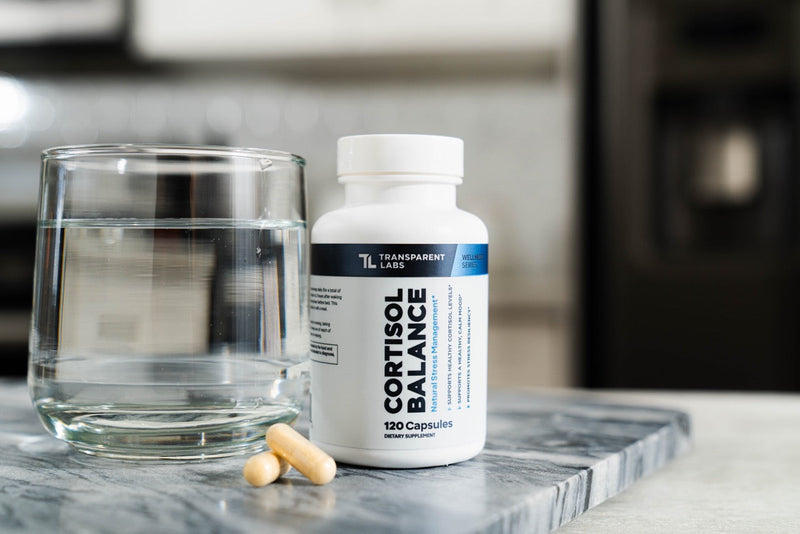
There are several popular supplements that can help with the management of cortisol independent of exercise. These include magnesium due to its promotion of quality sleep, and Omega-3 fatty acids, which help to reduce stress caused by inflammation. However, the clear star among cortisol-lowering supplements is ashwagandha, which has the most dramatic effect on cortisol levels among the most commonly available supplements.
Multiple randomized controlled studies have demonstrated ashwagandha’s capacity to reduce cortisol levels by 20 percent or more, all the way up to 33 percent. If you find that you are chronically stressed and want supplemental support for your efforts to reduce the damage caused by incessantly elevated cortisol levels, ashwagandha is an excellent solution, as its effects have been shown to increase through consistent use.
Surviving your stress
If you find yourself fighting your way through a stressful period of life, please remember that physical training is one of the best things you can do to melt the stress away, and there are also supplements like ashwagandha that can upgrade your stress alleviating potential.
Remember, cortisol and testosterone are both your friends, but testosterone is the friend you want frequent visits from, while cortisol is the friend you don’t want sticking around any longer than necessary. This means that you don’t want to spend any more time with cortisol than you absolutely need to, and if you continue to train your body even under stressful times, then you can send stress and cortisol packing on your own terms.
Summary
-
The damage caused by stress and elevated levels of cortisol on your physical potential are pronounced, but difficult to gauge.
-
Cortisol levels increase under stressful circumstances, and use your muscle tissue and fuel to fight off threats.
-
Long periods of high cortisol levels lead directly to lower production of testosterone, which hinders your body’s ability to grow and protect its muscle mass.
-
Resistance training forces your body to produce helpful hormones — including testosterone — while lowering your cortisol to below its baseline levels.
-
Aerobic training may reduce cortisol levels, but may also increase them under some circumstances, while providing a limited boost to testosterone, if any.
-
Among supplements, ashwagandha has been proven to be particularly useful for independently lowering cortisol levels.
Featured Product


