


Are “Healthy” Alternative Foods Actually Healthier?
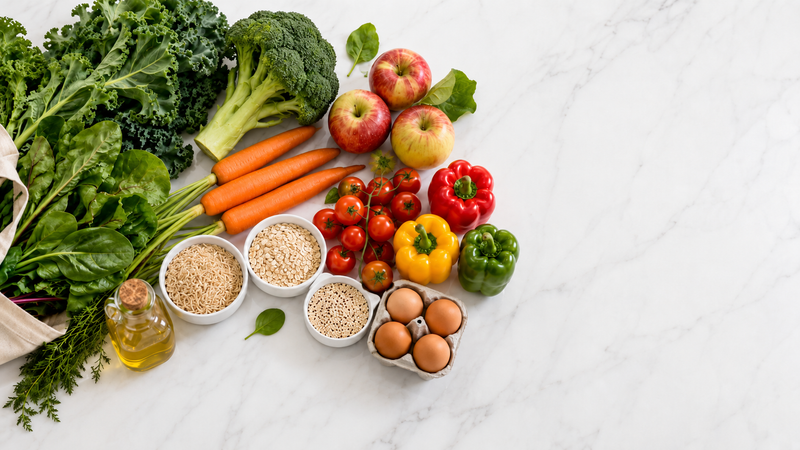
While there is a general assumption that food with no processing — or at least minimal processing — is healthier than processed food, there are so many categories of unprocessed food choices that it begs the question as to how much healthier these self-proclaimed “healthy alternatives” really are.
Before you go reaching for a special brand of cage-free, organic chicken that was only fed corn that was grown with spring water while listening to late-career Beethoven compositions, here are some things to consider when deciding if food branded as “healthy” are truly for you.
Healthy Substitutes
For starters, we have to define what is meant by “healthier” when it comes to alternative foods. Many alternative foods that have sprung up are deemed to be healthy because they address a specific need of a subset of the population.
For instance, just because you know a person who is lactose intolerant or who has a sensitivity to the milk protein of cows, that doesn’t make dairy products categorically unhealthy except to the people with those specific digestive issues that stem from consuming dairy products.
Again, the fact that your friend is a vegan doesn’t negate the fact that whey, casein and egg protein, all derived from animals, are widely regarded as the most efficient muscle-building protein powders in existence.
Organic Food
The term organic is often used as a code word for “healthy,” but what does it actually mean? As it relates to food production, organic foods legally refer to foods that have been produced without pesticides or certain types of fertilizers and chemicals that are often deemed to be objectionable.
There are degrees to define how organic a type of food is, ranging from “100% organic” to “made with organic ingredients,” the latter of which refers to foods that are made with 70 percent certified organic ingredients.

On the plus side, some organic foods have been shown to have slightly higher levels of certain nutrients than products that are made with modern farming methods that utilize chemicals. On the other hand, the absence of pesticides and other chemicals can make organic foods more susceptible to harboring bacteria and other harmful organisms that the chemicals were designed to eliminate. As such, you should assume a buyer-beware approach that you may be trading one potential source of harm for another, and make an informed decision.
Animal Terms
If you’re familiar with terms like free-range, cage-free, or grass-fed, you know that they refer to the living conditions that different livestock and poultry are raised in, and the implied difference that it makes in food quality and health levels.
The reality is that the results are mixed. Most egg experts concede that the improvements to the quality of eggs produced by cage-free or free-range chickens is marginally better, while the quality of the meat generated by grass-fed cows is better in some respects than that produced by grain-fed cows. However, the meat of grain-fed cows generally has more monounsaturated fats, which is a health benefit in its own right.
In short, many of the health differences between these common foods and their supposed healthier alternatives are either marginal, or a matter of picking which food attribute you prefer.
Choose for Yourself
There is evidence that some of the popular healthier options are healthier in some ways, or to certain people, but these benefits should not automatically be assumed, and should absolutely be investigated. Please don’t fully place your health in the hands of people behind the creation of these labels. Within the grey areas of health, decide which aspects to prioritize, and make the decisions that you believe are the best.
Summary:
-
Many types of food advertise themselves as being exceedingly healthy selections, but the definition of “healthy” is dependent on a number of factors.
-
A food that is unhealthy to one population may be perfectly healthy to another, especially if the cause of its unhealthiness is an individual allergy or sensitivity.
-
Organic foods can vary in how organic they are, and the absence of pesticides may ultimately cause some organic foods to carry extra bacteria.
-
Products resulting from ethical animal treatment result in higher or lower levels of nutrients; the overall value of those individual nutrients may vary from one person to another.
-
It is advised that you make your determination on what healthy food selections are right for you based on your own personal priorities.
Featured Product


