


Magnesium vs. Common Sleep Aids: What is better for sleep?
Sleep is critically important for you to achieve an optimal state of health and functionality. That’s why, in the pursuit of sleep, people have often resorted to taking a plethora of ingestible sleeping aids that promise to improve relaxation and restfulness. After well over a century of commercial sleep enhancers being publicly available for purchase, and also after a number of non-sleep-aid medications have been popularly adapted for that purpose, it is easy to assess what works, and what doesn’t work.
Just as important, the side effects of these sleep aids have all been well documented… especially with respect to their long-term use. This can mean the pernicious effects resulting from the habitual use of sleep aids can slowly accumulate over time. This is why it’s very important to differentiate between natural and unnatural sleep aids, and the risks associated with each, beginning with the gold standard of natural sleep aids: Magnesium.
Magnesium
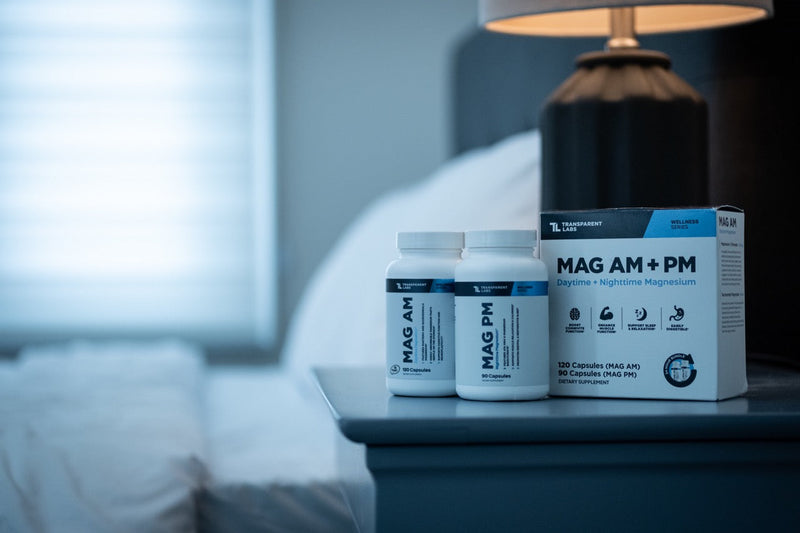
You’d be stunned how much of the staggering amount of chronic sleeplessness within the general populace could be attributed to something as simple as a low level of magnesium intake. Because sufficient magnesium is startlingly difficult to acquire through most modern diets unless you make a staunch effort to acquire it, you may be critically and perpetually low in your levels of this essential nutrient. Therefore, the first place you should probably turn to if you suffer from sleeplessness is a magnesium supplement.
As opposed to harmful side effects, supplementing with magnesium can also have a slew of other health benefits in store for you. This is because of the mineral’s vital role in energy transfer and regulation. and the operating efficiency of your body. Setting this aside, magnesium relaxes your muscles and your mind, and has a general calming influence on your body. To put it another way, by taking magnesium, there’s a solid chance that you can redress your sleeplessness by supplementing with a mineral that will also improve your body’s basic health and efficiency from top to bottom.

L-Glycine
While not as neatly accounted for on most nutrition labels as a mineral like magnesium, L-glycine is a non-essential amino acid contained in several foods ranging from meat, sesame seeds, peanuts, cheese, bread, eggs, and lentils. In that regard, when sought after through ordinary food consumption, L-glycine should be characterized as a component part of the protein content lurking within specific types of food.
On top of being a building block of protein and a contributor to muscle protein synthesis just like other amino acids, L-glycine is uniquely known to reduce wakefulness and anxiety, and to lower your core body temperature, making it yet another natural sleep aid derived from a fully natural food source. Again, this capacity of L-glycine to be picked up through your ordinary diet, coupled with your body’s preparedness for contending with it once it’s consumed, means that you would have to consume an outlandish quantity of L-glycine — supplemental or otherwise — in order to experience any ill effects from it (and we don’t recommend that you try).
Melatonin
Melatonin is a naturally produced hormone that signals to your body that it’s time to get some rest. In this scenario, even though your body will release the required amount of melatonin on its own to signal to you that it’s time to get some sleep, taking supplemental doses of melatonin artificially overrides your body’s sleep-prompting processes and encourages you to lie down and shut your eyes.
The natural essence of melatonin results in it being considered safe. Despite this, exceeding your body’s natural production of a hormone through artificial means can come with a few unwanted side effects. The major benefit to melatonin being natural is that you are unlikely to become dependent upon it, but spiking your body's melatonin levels with supplements can prompt headaches, dizziness, nausea, and drowsiness.
Prescription Sleeping Pills
Several sleeping pills, like benzodiazepines, are prescription-only drugs that function as nervous system depressants that functionally inhibit specific activities of your muscles and your brain in order to produce the desired sedative effect. For a litany of reasons, these sleeping aids are usually limited to four weeks of consecutive use at a maximum due to their tendency to cause side effects like confusion and memory problems even in the short term.
This is frightening enough, but there are other good reasons why sleeping pills are usually only prescribed in one-month intervals. Long-term use of these medications often results in increased anxiety, depression, and seizures, not to mention an increased likelihood of addiction stemming from their use. Therefore, while these non-natural sleeping aids have a tendency to work very effectively at prompting you to fall asleep, they are not a sustainable solution to chronic sleeplessness.
Diphenhydramine/Benadryl
Many people think of diphenhydramine solely as an anti-allergy medication due to its marketing as such under the name Benadryl. The fact of the matter is most of the sleep aids that are paired with pain relievers like Tylenol contain diphenhydramine. Beyond that, when a company like Tylenol sells you a sleep-aid-only version of their medicine without the pain-killing component, they are actually selling you Benadryl under a different name, and usually in the exact same 25 mg dose.
There are potentially two problems with this. First, is the idea that an antihistamine is being advertised on the basis of its side effect of making people drowsy rather than its original intent. Second, and far more important, the regular use of diphenhydramine has now been rather conclusively linked with the onset of dementia. In other words, while Benadryl taken as recommended for occasional relief from allergies is probably okay, chronic consumption of diphenhydramine for sleeplessness may ultimately lead to a drastic decline in mental capabilities over time.
First reach for what’s natural

What can be gleaned from this information is that reaching for derivatives of food, like magnesium and glycine, seems to be the safest way to coerce your body into eliciting your desired response. This is because the food you consume will dictate the release of the hormones that will send you off to dreamland naturally.
Altering the hormones directly seems to be the next best option, although it can lead to dramatically rocketing your sleep hormone levels in ways that your body would have difficulty doing on its own. The least favorable option seems to be drugs, whether they’re over the counter, or prescription. Given the facts, we strongly encourage you to reach for the most natural options first if you have trouble sleeping, before determining if something more chemically invasive is necessary.
Key Takeaways
-
Commercial sleeping aids have been available for more than 100 years, and they range from natural food products to prescription drugs.
-
Much of your sleeplessness might be caused by an absence of magnesium in your diet, making it a healthy and logical first place to turn to address sleep concerns.
-
As a non-essential amino acid available in many food sources, L-glycine is another safe, food-based option for the promotion of restful sleep through nutrition.
-
While advertised as safe and natural, melatonin is a hormone that artificially boosts your body’s sleep signaling processes, and should still be consumed with caution.
-
Prescription sleeping pills are usually restricted to one-month consumption periods due to their high potency and tendency to cause dependency, drowsiness, and memory loss.
-
Take great care when consuming diphenhydramine — the scientific name of Benadryl — which is an antihistamine that is advertised as a sleep aid due to its side effects, and has been linked through studies to the onset of dementia when taken on a long-term basis.
-
Ideally, you should reach for natural, food-based sleep aids before turning to alternatives that directly alter hormone levels or disrupt your body’s sleep signaling systems.
Featured Product


