


8 Best Recovery Foods to Eat After Training (And What to Skip)
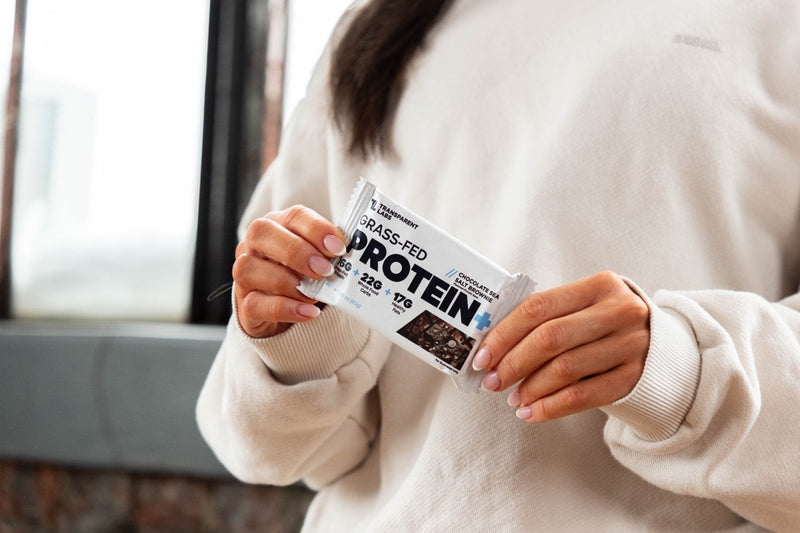
After an intense workout, the fuel you consume determines how well your muscles repair, how quickly you recover from delayed-onset muscle soreness, and how prepared you feel for your next session.
You don’t need a complicated protocol to optimize recovery; often, all it takes is the right fuel at the right time to have you feeling
Why Post-Workout Nutrition Matters
Resistance training creates microscopic tears in muscle fibers, depletes glycogen stores, and triggers inflammatory responses that, when managed correctly, lead to muscle adaptation. Being mindful of what you eat after training is how you give your body what it needs to build muscle and come back stronger.
Muscle protein synthesis (MPS) is the process by which your body assembles new muscle tissue from amino acids, the building blocks of muscle. It remains elevated for 24 to 48 hours after training, but the rate at which your muscles are primed to absorb nutrients is highest in the first 1 to 2 hours after exercise.
There are three primary processes your post-workout nutrition supports:
Muscle Protein Synthesis
MPS requires leucine, an essential amino acid that acts as a molecular signal for muscle building. Research by Norton and Layman establishes that approximately two to three grams of leucine per meal is required to activate the MPS pathway. That threshold is also why protein quality matters as well, as not all protein sources provide enough leucine to activate MPS.
Glycogen Replenishment
Muscles run on glycogen, which is the stored form of carbohydrates. Intense training depletes glycogen stores, and restoring them quickly is important for those who train multiple times a day or on consecutive days.
Carbohydrates post-workout stimulate insulin release, which drives glucose into muscle cells for storage. The research benchmark is 0.8 to 1.2g of carbohydrates per kilogram of bodyweight per hour, consumed in the hours immediately following your session.
Inflammation Control
While we tend to view inflammation as a negative, some post-exercise inflammation is necessary for adaptation. Excessive or prolonged inflammation is a signal that recovery is progressing more slowly, and you may experience increased soreness. Certain foods rich in omega-3 fatty acids and polyphenols, such as fatty fish, tart cherries, and berries, can help modulate post-exercise inflammation to support recovery.
How Long is the Anabolic Window?

The idea that you have 30 minutes to eat after training or your workout is "wasted" has been largely walked back by the research. A 2013 meta-analysis by Aragon and Schoenfeld, published in the Journal of the International Society of Sports Nutrition, found that total daily protein intake was a stronger predictor of muscle gain than nutrient timing alone, and that the post-exercise window for trained individuals likely extends to several hours rather than minutes.
That said, timing still matters in practice, particularly if you train fasted, train twice a day, or are in a caloric deficit. The more depleted you are going into a session, the more the post-workout meal matters, and the sooner you should eat it. For most gym-goers who train once a day and eat adequately leading up to the session, the honest guidance is to eat a quality post-workout meal within one to two hours.
Best Recovery Foods — Ranked
The best foods for recovery deliver the right combination of complete protein, quality carbohydrates, and compounds that actively support muscle repair. The eight foods listed below are ranked by the strength of the evidence supporting them, their practical utility in a post-workout context, and their ability to meet nutritional targets that make a difference in recovery.

#1 Eggs
Eggs win their spot as the top post-workout food for recovery and is one of the best protein sources from a whole food source. A large egg contains about six grams of protein and has a complete amino profile, meaning it contains all of the nine essential amino acids, which are the aminos your body doesn’t synthesize on its own. Two to three eggs post-workout delivers the leucine threshold required to activate MPS.
What makes eggs particularly effective is their digestibility. Research published in the American Journal of Clinical Nutrition found that cooked egg protein is digested and absorbed at roughly 91%, making it one of the most bioavailable protein sources.
The yolk is also worth keeping, as it contains fat-soluble nutrients, including vitamin D and choline, which support muscle function.
#2 Greek Yogurt
Greek yogurt earns its spot for its protein density and rapid digestion. While all yogurt brands have different ingredients and macro breakdowns, a single serving can deliver 15 to 20+ grams of protein. This comes predominantly from whey, which is among the fastest-digesting proteins available. After a workout, faster digestion means amino acids reach the muscle tissue sooner, which supports the early MPS response window.
Research on the gut-recovery connection is still emerging, but the International Society of Sports Nutrition notes that specific probiotic strains show promise in reducing markers of exercise-induced muscle damage and perceived soreness in athletes, with benefits that appear to be strain- and dosage-dependent.
It’s best to choose plain Greek yogurt and watch the label. Many brands pack 15 or more grams of added sugar per serving. You can add fruit, honey, cinnamon, or granola to boost the macro- and micronutrient profile.
#3 Salmon
Delivering around 22 grams of protein in a three-ounce serving, salmon is also one of the richest natural sources of EPA and DHA, the long-chain omega-3 fatty acids with the strongest evidence for reducing exercise-induced inflammation.
A 2011 randomized controlled trial by Smith et al., published in Clinical Science, found that omega-3 supplementation significantly enhanced the muscle protein anabolic response to insulin and amino acids in healthy young and middle-aged men and women, which suggests omega-3s reduce soreness and may actively support the muscle-building process.
Research also indicates that omega-3 supplementation can reduce blood markers of exercise-induced muscle damage, including creatine kinase and lactate dehydrogenase, following intense training.
Wild-caught salmon tends to have a more favorable omega-3 to omega-6 ratio than farmed, though both are solid options relative to most other protein sources.
#4 Sweet Potatoes
Sweet potatoes are one of the most complete carbohydrate sources you can consume after a workout. A medium sweet potato (130g) provides about 26g of carbohydrates, a significant portion of which comes from starches that digest at a moderate rate, which kickstarts glycogen production without spiking blood sugar as sharply as refined carbs would.
The antioxidant profile is also impressive. Sweet potatoes are rich in beta-carotene, a precursor to vitamin A, and contain meaningful amounts of vitamin C and manganese. These compounds help neutralize reactive oxygen species, which are the free radicals generated during intense exercise that contribute to oxidative stress and delayed recovery.
A 2021 narrative review in Antioxidants found that antioxidant-rich whole foods and dietary patterns may be more effective than single-dose supplements at reducing exercise-induced oxidative stress, which is a key driver of post-exercise muscle damage.
#5 Tart Cherry Juice

Tart cherry juice has one of the strongest evidence bases of any food on this list for reducing post-exercise soreness specifically. A 2010 randomized controlled trial by Howatson et al., published in the Scandinavian Journal of Medicine & Science in Sports, found that marathon runners who consumed tart cherry juice in the days surrounding a race showed reduced post-race inflammation and accelerated strength recovery compared to placebo.
A 2014 randomized controlled trial published in Nutrients found that well-trained cyclists who consumed Montmorency tart cherry juice concentrate twice daily for seven days showed significantly lower markers of oxidative stress and inflammation after repeated days of high-intensity cycling compared with a placebo. At one point during the trial, oxidative stress was nearly 30% lower in the tart cherry group than in the placebo group.
#6 Cottage Cheese
Cottage cheese is the one food on this list that's specifically optimized for overnight recovery. A half-cup serving (113g) delivers roughly 14g of protein, most of which is casein, a slow-digesting protein that forms a gel in the stomach and releases amino acids gradually over several hours.
The case for casein before bed was published in Medicine and Science in Sports and Exercise, which found that 40g of casein protein consumed 30 minutes before sleep increased overnight muscle protein synthesis rates by approximately 22% and improved whole-body protein balance compared to placebo.
Cottage cheese is extremely versatile and can be an easy addition to meal prep. Eat it with fruit and cinnamon, blend it up into a sauce, or top a protein bowl.
#7 Chocolate Milk
Chocolate milk has accumulated a notable body of randomized controlled trials-level research supporting its recovery utility, which holds up favorably in comparison to many sports drinks. Its natural carbohydrate-to-protein ratio of roughly 3:1 to 4:1 aligns with what the research literature identifies as effective for post-exercise glycogen replenishment and muscle protein synthesis.
A 2006 study found that endurance-trained cyclists rode to exhaustion significantly longer and completed greater total work after consuming chocolate milk than after consuming a carbohydrate replacement drink, a finding subsequently replicated by independent research groups.
#8 Whey Protein
While not a whole food source, whey protein earns its spot because it provides high-quality protein to your system quickly and conveniently. This allows you to use it anytime, anywhere, with very little fuss.
Whey, a byproduct of cheesemaking, is rapidly digested, and research indicates that peak amino acids appear in the bloodstream within the first 60 minutes of consumption. That’s faster than casein, soy, and most whole foods, making it particularly well-suited to the post-workout window, when aminos quickly support early MPS response.
The leucine content of whey protein isolate is approximately 10 to 11% by weight, so a standard serving size exceeds the leucine threshold required to trigger MPS. Whey protein isolate undergoes additional filtration that removes most of the lactose and fat, resulting in a higher protein percentage per serving and better tolerance for those sensitive to dairy.
Choose a formula that prioritizes quality, avoids artificial sweeteners, colors, and preservatives, and is third-party tested for quality.

Foods to Skip After Training
A few post-workout choices can actively work against your goals. They may interfere by slowing muscle protein synthesis, disrupting glycogen replenishment, or delaying nutrient administration that your muscles depend on.
Alcohol
A 2014 randomized controlled trial found that alcohol consumption impaired MPS even with adequate protein intake, reducing myofibrillar protein synthesis by 24% when alcohol was co-ingested with protein, and by 37% when co-ingested with carbohydrates alone. Alcohol interferes with the mTORC1 signaling pathway, which is the molecular switch that turns on muscle protein synthesis.
High-fat fast food
Fat slows gastric emptying, which can delay the rate at which protein and carbohydrates reach your muscles after training. While dietary fat won't derail your recovery, moderating intake in your post-workout meal may help optimize nutrient delivery during the window when muscles are most receptive.
High-fiber raw vegetables
High-fiber foods slow digestion, and a large raw vegetable salad with minimal protein does little for muscle repair, as it delays absorption without meaningfully contributing to glycogen replenishment or MPS. Too much fiber can also leave you feeling full and bloated.
How to Build a Complete Post-Workout Meal
Post-workout nutrition research points to two primary targets for recovery: 20 to 40g of high-quality protein and, for athletes needing rapid glycogen replenishment, 1.0 to 1.2g of carbohydrates per kilogram of bodyweight per hour in the first two to four hours following training.
Protein drives muscle protein synthesis, carbohydrate restores glycogen, and how aggressively you need to chase that carb target depends largely on how soon you train again. If your next session is 24 hours or more away, total daily carbohydrate intake matters more than precise post-workout dosing. If you're training again within four hours, aggressive refeeding becomes a performance variable.
A complete meal will cover protein, carbs, and fats, alongside micronutrients. This can take shape in many ways, but eating healthy, whole-food sources, or blending your favorite protein powder with other ingredients are two of the best ways to ensure you’re hitting all of your goals with your post-workout meal.
Do You Need a Post-Workout Supplement?
You most likely don’t need a post-workout supplement, but there are many situations in which post-workout supplements prove beneficial.
If you train early in the morning and can't stomach a full meal afterward, if you're traveling, if you're in a caloric deficit and struggling to hit protein targets from food alone, or if you simply don't have time to cook, a quality protein supplement allows you to take it anywhere, at any time, without much fuss.
Whey protein isolate is the most practical starting point. It delivers a fast-absorbing, leucine-rich protein source that clears the MPS threshold in a single serving, with minimal fat and carbohydrate to slow digestion. Transparent Labs 100% Grass-Fed Whey Protein Isolate provides 28g of protein per scoop from grass-fed cows, with no artificial sweeteners, colors, or preservatives, and every batch is third-party tested for purity.
For athletes with higher recovery demands, doing things like training twice a day, competing on consecutive days, or managing significant muscle damage, a dedicated post-workout formula can fill multiple gaps in a single serving. A solid post-workout supplement has ingredients that support glycogen replenishment, reduce exercise-induced inflammation, and accelerate the return to full training capacity, without the proprietary blends that make it impossible to know what you're actually intaking.
A multivitamin is also help for those worried they aren’t supporting their micronutrient intake enough. While whole foods are a preferred source, a multivitamin can help you fill nutrition gaps and ensure you’re covered across the board. Reach for a high-quality supplement that tells you the exact amount of each ingredient represented on the label.

Final Reflections
Your muscles need protein to rebuild, carbohydrates to restore glycogen, and anti-inflammatory compounds to manage the damage that makes adaptation possible. Missing the opportunity to refuel your body and support recovery leads to missed gains and keeps you further from your goals.
The foods on this list earned their places through science-backed research that proves they support your body in its recovery efforts by delivering the right nutrients at the right speed. Some whole foods won’t always be practical, and in place, a quality supplement may be just what your body needs.
FAQs
What should I eat immediately after a workout?
Prioritize a combination of fast-digesting protein and carbohydrates within one to two hours of finishing your session. Practical options include Greek yogurt with fruit, eggs with sweet potato, chocolate milk, or a whey protein shake with oats. The target is 20 to 40g of protein and 0.8 to 1.2g of carbohydrates per kilogram of body weight.
How much protein do I need after training?
Research consistently supports 20 to 40g of post-workout protein to optimize MPS, with the higher end of that range applying to larger athletes or those doing significant training volume. Protein quality matters as much as quantity; you need a source that delivers at least 2 to 3g of leucine per serving to activate the muscle-building pathway.
Is the 30-minute anabolic window real?
The window is real, but wider than the old 30-minute rule suggested. A 2013 meta-analysis by Aragon and Schoenfeld found that total daily protein intake is a stronger predictor of muscle gain than precise post-workout timing, and that the window for trained individuals likely extends to several hours. Eating within one to two hours is a reasonable, practical standard — the urgency scales with how depleted you went into the session.
Does alcohol affect muscle recovery?
A 2014 trial found that alcohol impaired MPS by approximately 24% even when protein intake was adequate, and by 37% when combined with carbohydrates instead of protein. Alcohol interferes with the mTORC1 signaling pathway, which is the molecular switch that activates muscle protein synthesis. Post-workout is the worst time to drink if recovery is a priority.
What foods should I avoid after a workout?
The three main ones: alcohol, which directly impairs MPS via mTORC1 interference; high-fat fast food, which slows gastric emptying and delays nutrient delivery; and large amounts of high-fiber raw vegetables as a standalone meal, which slow digestion without contributing meaningfully to glycogen replenishment or muscle repair.
Can I eat fat after a workout?
Moderate fat intake alongside a post-workout meal is fine. The issue is volume, as high-fat meals slow gastric emptying, which delays the delivery of protein and carbohydrates to muscle tissue during the window when your muscles are most primed to absorb them. A meal with 10 to 15g of fat won't meaningfully slow recovery.
Featured Product


