Pre-Workout Nutrition: The Best Foods to Eat Before Training
Pre-workout nutrition doesn't get the same attention as post-workout fuel, but the science suggests it should. What you eat before a session, and when you eat it, has a direct impact on your output, your focus, and how well your body responds to the work.
Why Pre-Workout Nutrition Matters
What you eat before a workout can have a massive influence on how you show up to your workout or training session.
Here is why it matters:
Glycogen is your primary source of fuel. Moderate-to-high-intensity exercise relies predominantly on glycogen, the carbohydrate stored in the muscles and liver. Eating carbohydrates before an endurance workout has been shown to enhance performance, with the primary benefit stemming from increased glycogen stores. If your tank is low, your output will most likely suffer.
Protein primes the muscles before the workout even begins. Pre-workout protein doesn’t fuel your workout in the way that carbohydrates do, but it does set your system up for increased strength or muscle growth. Protein ingestion prior to (or during) a workout stimulates skeletal muscle protein synthesis rates during which the adaptive response can be facilitated. Tipton et al. (2001) found that consuming an essential amino acid-carbohydrate supplement immediately before resistance exercise resulted in a greater anabolic response than the same supplement taken immediately after. Though subsequent research suggests the precise pre- vs. post- distinction matters less than total daily protein intake and the timing of protein consumption within the broader peri-workout window.
Blood glucose stability also affects psychological factors. Brain functions such as thinking, memory, and learning are closely linked to glucose levels and how efficiently the brain uses this fuel. If there isn't enough glucose in the brain, neurotransmitters are not produced, and communication between neurons breaks down. Hypoglycemia has been linked to poor attention and cognitive function, so drive, focus, and ability to push through a tough set run on the same fuel as muscle function.
Supplements are great when whole foods can’t serve. Whole foods should always be the primary source of fuel, but supplement stacks built on top of regular nutrition can fill gaps or help you achieve optimal intake during specific windows. Opt for supplements that are third-party tested and made with quality ingredients and labeled amounts (no proprietary blends). A blood panel can tell you specific deficiencies you may have and want to supplement for.
The Three Macronutrients Before a Workout
Before you can optimize pre-workout fuel, you have to understand the basic components of the three macronutrients and how they affect your workout.
Carbohydrates
Carbs are the primary fuel source for glycolytic work, from moderate intensity endurance work to high-intensity resistance training. Any performance benefit derived from consuming carbohydrates prior to exercise is likely due to increased glycogen storage, and research accumulated over the last half-century has consistently shown that the most beneficial nutritional intervention is one that augments and preserves carbohydrate fuel stores for late-race, high-intensity exercise.
It’s also important to consider timing, as not all carbs behave the same way. Fast-digesting, simple carbs like rice or bananas raise blood glucose quickly, which is useful when you’re close to your training window. Slow-digesting carbs like oats provide a more sustainable source of energy, making them ideal to eat two to three hours before a workout. The general pre-workout target for carbohydrates is 0.5-1g per kg of body weight, scaled to the timing window and intensity of your workout.
Fat
Dietary fat slows gastric emptying, meaning high-fat meals eaten close to training can delay carbohydrate delivery to working muscles. While fat has its place in pre-workout nutrition, it's best suited to low-intensity or longer-duration sessions, where increased fat oxidation becomes an asset rather than a liability.
Protein

Pre-workout protein serves as a prerequisite for muscular hypertrophy. Nutrition is required to shift net muscle protein balance to a positive state, and without it, muscle reconditioning cannot occur. When you consume protein before training, amino acids are circulating at elevated levels precisely when the anabolic signal peaks. Research suggests a target of 0.25–0.4 g/kg body weight, which is enough to prime the muscle protein synthetic response without the digestive burden of a full pre-training meal.
The Best Foods to Eat Before a Workout
Often, the best pre-workout foods depend on how much time you have before a training session and the type of energy they provide. Below is a list of some of our top picks for pre-workout fuel.
#1 Oats
Oats are among the best pre-workout carbohydrate sources for athletes on a training schedule. They're slow-digesting complex carbs with a moderate glycemic index, meaning they provide sustained glucose delivery without a sharp insulin spike. The beta-glucan fiber in oats supports steady blood glucose levels, making them well-suited for longer training sessions when you need fuel that lasts. As a bonus, pair it with a protein source, such as eggs or Greek yogurt, to make it a complete meal.
Best timing: Two to three hours before a workout.
#2 Bananas
Bananas are the reliable standby for a reason. They're rich in fast-digesting simple carbohydrates and potassium, an electrolyte that supports the electrical signal required for muscle contraction and relaxation, and may help reduce cramping when levels run low. Low fiber content makes them easy on the stomach when you're pressed for time. If you need a quick carb hit without GI risk, a banana does the job.
Best timing: 30–60 minutes out.
#3 White Rice and Chicken
The classic gym-goer meal: a pre-workout combo for athletes who need to hit their macros and eat on a schedule. White rice is easily digestible, delivers carbohydrates with minimal fiber content, and doesn’t sit heavily in the stomach. Lean chicken provides protein and minimal fat, which helps maintain consistent gastric emptying. Together, they cover the two most important pre-workout macros.
Best timing: 2-3 hours before training.
#4 Greek Yogurt and Fruit
While Greek yogurt brands vary in their macros and ingredient lists, high-quality, high-protein Greek yogurt delivers casein and whey protein, which provide rapid and sustained amino acid availability, useful when you want protein circulating quickly for an extended period. Pair it with fast-digesting fruit like bananas, berries, or cherries to include a carbohydrate source. This creates a light, low-volume, and easily digestible pre-workout meal.
Best timing: 1-2 hours before a workout.
#5 Whole Grain Toast and Eggs
Another great protein and carb-balanced pre-workout meal that's best suited for people who aren’t rushed for time. Whole-grain toast offers moderate-release carbs, and eggs provide around six grams of protein per egg. Eggs contain a modest amount of fat, so they may require more time to digest.
Best timing: 2-3 hours before training.
#6 Protein Smoothie with Fruit

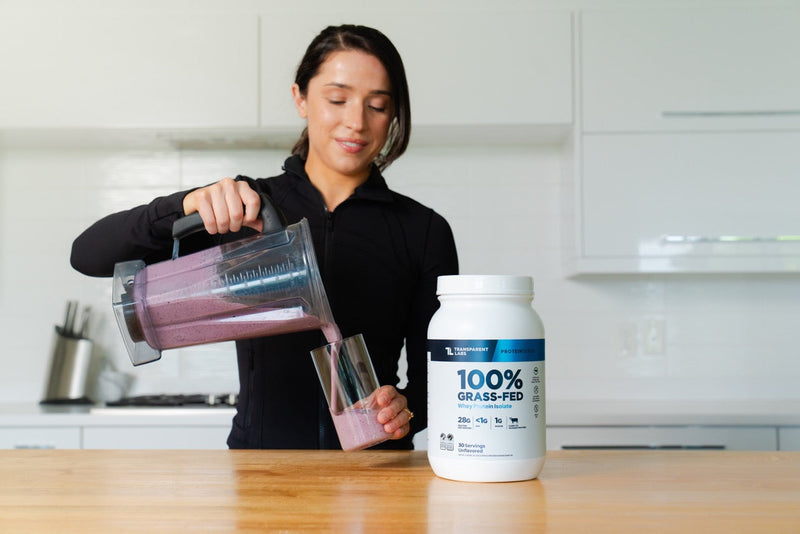
Because liquid meals digest more quickly than solid meals, smoothies are a great option for early morning athletes or those who prefer a lighter meal before training. A smoothie built around a high-quality protein powder, fruit, and a small amount of carbs like oats or peanut butter makes it easy to customize to your taste and macros.
Best timing: 30-90 minutes before a workout.
#7 Rice Cakes
Rice cakes are an easy, quick way to get a carb bump. If you're 15–30 minutes from training and want a quick carb top-off, rice cakes are about as low-barrier as it gets. Ultra-low fiber, minimal fat, fast gastric emptying, and almost no digestive load. They won't constitute a meal on their own, but can be a perfect pre-workout snack, or part of a more balanced meal.
Best timing: 15-30 minutes out.

Pre-Workout Timing: What to Eat and How Much
While what you eat before a workout is very important, the timing of it matters just as much. A well-meaning meal can still bring your performance down if the timing is off.
The 2-3 Hour Window
Research supports consuming a complete mixed meal of carbohydrates, protein, and fat 2–3 hours before training, with carbohydrate targets of 0.5-1 g/kg body weight in the pre-exercise period
The 30-60 Minute Window
It’s best to stick to smaller snacks during this window. Prioritize eating simple, fast–digesting carbs and keep fat and fiber low. Overeating during this window puts you at risk of feeling sluggish and experiencing GI discomfort during your training. Lower volume is best this close to a training session.
Training Fasted?
Some athletes train early in the morning and skip eating altogether. For lower-intensity sessions, like a zone 2 run, mobility work, or a light lift, this can be manageable. For high-intensity training, going in fasted carries a potential performance cost due to low glycogen stores. Adding a protein powder shake or a simple, fast-digesting carb is a natural entry point into intra-workout or pre-workout supplements for those who can’t eat before they train.
Foods to Avoid Before Training
While this isn’t about labeling foods as “good” or “bad,” digestive timing and meal content can affect your performance.
High-fat meals close to training can slow gastric emptying, delaying carbohydrate availability during exercise and increasing the risk of GI symptoms during high-intensity effort.
High-fiber foods during the immediate training window can lead to digestive distress. During intense exercise, blood flow to the GI tract can drop by up to 80% as the body redirects circulation to working muscles. Eating high-fiber foods beforehand compounds the problem because fermentable carbohydrates are poorly absorbed and osmotically active, which drives the gas, cramping, and bloating many athletes are familiar with.
Heavily processed or high-sugar foods can cause blood glucose spikes followed by a rapid insulin response, which can leave you in an energy slump mid-workout. Stable glucose intake leads to stable output throughout the workout.
Large portions, regardless of what they’re made up of, can lead to GI distress when you’re working hard. Even a perfectly composed meal can be too much if the volume is too high before intense exercise.
Pre-Workout Supplements
While it is important to prioritize whole foods, supplements can be helpful for many reasons. Supplements are a great solution for those who need to close nutrition gaps, who prefer precise dosing, and who like the ease of maintaining a routine on the go.
Cyclic Dextrin for Fast Carbs

For those who train close to their eating window or who need rapid carb availability, highly branched cyclic dextrin (HBCD) is a great option. Its high molecular weight results in low osmotic pressure even at high concentrations, and since osmotic pressure is a key determinant of gastric emptying rate, HBCD clears the stomach faster than glucose- or maltodextrin-based drinks.
Pre-Workout for Energy and Focus
When your food game is dialed in, but you want an ergogenic aid, a high-quality pre-workout formula adds an optimized boost. Depending on the blend, it may offer caffeine for alertness, L-citrulline for blood flow, and beta-alanine for improving overall work capacity.
Choose a pre-workout formulation that doesn’t contain proprietary blends and labels the amount of each ingredient individually, so you can ensure you’re getting the clinically effective dose. Look for third-party testing and a supplement that doesn’t contain artificial flavors, colors, or ingredients.
Bottom Line
Pre-workout nutrition doesn’t need to be complicated to be effective. You need a balance of carbohydrates to fuel the workout, protein to prime adaptations, and the timing to ensure you’re helping your body do its best.
Eat a real meal 2 to 3 hours before your workout. If you’re closer to your training window, keep the meal smaller and low in fat and fiber for optimal digestion. Your output, recovery, and long-term progress all benefit from efficient workout fuel.
FAQs
Can I work out on an empty stomach?
Yes, but your workout may suffer, especially for high-intensity training. Fasted training is more manageable for low-intensity workouts, but for hard efforts, even a small amount of fast carbs or protein can help.
What's the best pre-workout snack if I only have 30 minutes?
Fast carbs that are low volume and have minimal fat and fiber. A banana, rice cakes, or a simple smoothie are all great options. Overeating close to training may cause more problems than undereating.
How much should I eat before a workout?
Scale to body weight and timing. General targets: 0.25–0.4 g/kg protein and 0.5–1 g/kg carbohydrates for a full meal 2–3 hours out. Closer in, cut the portion and shift to fast-digesting sources.
Is pre-workout food or a supplement more important?
Food should be your foundation, with supplements coming in for precision. A pre-workout supplement taken alongside a strategic meal can lead to better training performance and recovery.
What if I feel sick working out after eating?
This is often a matter of the wrong timing or volume before a workout. Try moving the meal earlier, reduce fat and fiber, or switching to a liquid format closer to training.
Featured Product