


6 Best Carb Sources for Athletes (From Best to Worst)
Carbohydrates are one of the three major macronutrients, and their main purpose is to create energy for the body. For athletes and gym-goers, carbs are important for sustaining energy during high-intensity exercise because they can be quickly converted into usable energy.
Carbs break down into glucose, are stored in muscles and liver as glycogen, and then are converted to adenosine triphosphate (ATP), which is the molecule your cells burn to create energy. When glycogen drops, so does performance, which is why athletes should take their carbohydrates as seriously as their training routine.
Glycogen 101 — The Body’s Primary Fuel Tank
Glycogen is the body's stored source of glucose. An athlete typically stores about 500g in skeletal muscle and another 100g or so in the liver. Combined, that's roughly 2,400 calories of stored carbs for fuel. That equates to around 90 minutes of sustained exercise before stores deplete.
Here’s how it breaks down:
-
Moderate-intensity endurance exercise: 60 to 75% of VO2 max, depletion happens in 90 to 120 minutes
-
High-intensity intervals or team-sports effort: energy depletes in 60 to 90 minutes
-
Heavy resistance training: with 8 to 12 hard sets per muscle can drop muscle glycogen by 35 to 40% in a single session
Once glycogen runs low, your muscles can’t fire the way they’re supposed to. Power output drops and perceived effort spikes. Burke et al. found that race walkers training on a low-carb diet saw a slightly slower (-1.6%) change over three weeks. A matched group eating more than four times the daily carbs improved their 10K times by 6.6% over the same period. This is why what carbs you eat and when you eat them directly determines output.
How Much Carbohydrate Do Athletes Need?
The harder and longer you train, the more carbs you need. Many athletes underestimate how many carbs they need to consume to fuel their efforts, and those carbs often need to scale with training load.
The joint position statement from the American College of Sports Medicine, the Academy of Nutrition and Dietetics, and Dietitians of Canada lays out the daily targets athletes should hit:

In real terms, an 80kg (176 lb) lifter training hard five days a week would need about 480 to 560 grams of carbs per day. Many athletes who feel stuck in their progress may be missing the carb content that turns their efforts into results.
How We Ranked These Carb Sources
While there isn’t a direct answer on which carb source is best, we broke down our top sources based on four criteria that would make the most difference for athletes.
1. Glycemic index and glycemic load
The GI ranks carbs by how quickly they raise your blood glucose, ranging from 0 to 100. High-GI foods like white rice, bananas, and sports drinks flood your system with quick energy, which is useful right before, during, or right after training sessions. Low-GI foods like oats, sweet potatoes, and lentils release energy at a more sustained rate. GI isn’t perfect, and research on whether high- vs. low-GI preworkout meals affect performance isn't conclusive. Most sports dietitians treat it as one signal among several, so we did the same.
2. Digestibility
An important factor is how well the food sits in your stomach before a workout. Some carbs are easier to digest than others, and some foods may leave you feeling full, bloated, or sluggish when it’s game time. Digestibility matters more as you get closer to your workout or training window, and it’s the single biggest reason why cyclic dextrin earns a spot on our list (more on that below).

3. Micronutrient density
Many carb sources also contain vitamins, minerals, and other nutrients. A sweet potato, for example, delivers a solid low-GI carb source as well as potassium, vitamin A, fiber, and manganese, which scores higher than a carb source with no bonus nutrients.
4. Fiber content
Fiber intake directly impacts your body through gut health, satiety, and steady energy. While an important part of a balanced diet, too much fiber before a workout can end in digestive discomfort and slower glycogen replenishment. Sometimes, a supplement wins because of this.
The truth is that no single carb source wins across each category. The following list is based on when you consume the food and what you need it for.
Best Carb Source for Athletes — Ranked
Carbs serve different purposes, and people need different amounts depending on their body and their goals. Carbs are so important that the International Society of Sports Nutrition (ISSN) recommends that carbohydrates should count for 60 to 70% of your daily intake. Here’s a breakdown of the best carbs to fuel your body before, during, and after a workout.

1. White & Jasmine Rice — Fast, Clean Fuel
White and jasmine rice are two of the top choices for clean fuel for athletes, as they provide a clean dose of carbs that digest quickly, sit well in the stomach, and convert easily to glycogen. One cup of cooked rice delivers 45g of carbs with almost no fiber or fat, slowing down the digestive process, which is ideal for training.
Jasmine rice scores between 68-89 (studies vary) and white rice around mid-70’s on the GI scale, which means it results in a quick rise in blood glucose, triggering an insulin response that delivers glucose into the muscle cells and kickstarts glycogen replenishment. This is ideal before and after a hard training session.
These rice varieties are also among the gentlest carbs for the gut microbiome. It doesn’t have as high a fiber content as brown rice or oats, so eating a large portion to fuel your workout won’t leave you feeling bloated or slowed down. Many strength and endurance athletes build their carb intake around rice for its ease of use, digestibility, price point, and cooking time.
2. Oats — Sustained Energy and Beta-Glucan
Oats are a great choice for athletes seeking a longer-lasting energy source, especially before training sessions over an hour long. A half cup of dry rolled oats delivers around 27g of carbs, 4g of fiber, and 5g of protein, providing a steady source of fuel rather than a quick spike and crash. Oats are best eaten two to three hours before training.
Oats are lower on the GI scale at around 55, while steel-cut oats are in the upper 40’s. This slower digestion is largely thanks to beta-glucan, a soluble fiber that forms a gel in the gut and releases glucose into the bloodstream at a more controlled pace. For athletes, this leads to more stable blood sugar, fewer energy dips, and sustained output during long, intense training days.
Beyond carbs, oats also bring a solid micronutrient profile, including phosphorus, magnesium, manganese, iron, and zinc, which support recovery and energy metabolism. The beta-glucan content also supports heart health and gut function, which makes oats a staple for many gym-goers and athletes. It’s worth noting that this refers to plain oats, not sugary oat packets or other varieties.
3. Sweet Potatoes — Complex Carbs and Micronutrients
One medium sweet potato delivers around 26g of carbs, 4g of fiber, and 2g of protein, making it a balanced option before training. The GI also shifts with the cooking method. Boiled potatoes score around 45 to 50, while baked sweet potatoes can reach over 90, giving athletes flexibility in how they use the food source.
Sweet potatoes are a champion when it comes to micronutrients, as one medium sweet potato delivers over 100% of your daily vitamin A needs through the beta-carotene content. They also pack potassium, vitamin C, manganese, and B6, which are important for athletes who train hard and sweat hard.
The fiber content supports digestion when paired with rice and oats, and consumption is best two to four hours before training or as part of your post-workout meal to restore glycogen and benefit from a micronutrient boost.
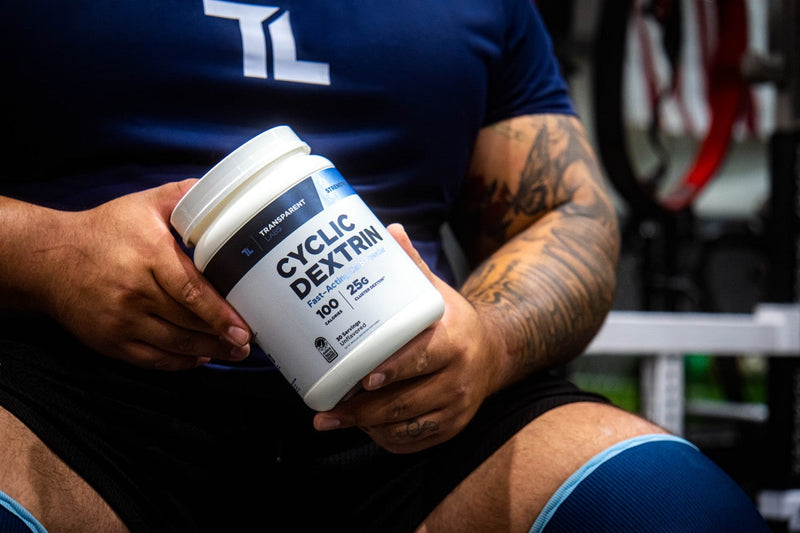
4. Cyclic Dextrin — The Intra-Workout Specialist
Cyclic dextrin is a specialized carb source that’s made from breaking down and then rearranging starch into a high-molecular-weight molecule. Cyclic dextrin moves quickly through the digestive system, which makes it a top pick for digestive comfort before a workout despite its lack of micronutrients. Cyclic dextrin is convenient for precision, easy to take on the go, and, compared with maltodextrin, has a higher glucose content and empties from the stomach two times faster.
The fast gastric emptying makes cyclic dextrin an optimal choice for intra-workout fuel as well. It delivers a stream of glucose during intense training sessions, but doesn’t leave you bloated. Pick a formula without added sugars, and you’ll avoid intense spikes in your blood sugar as well. For athletes training hard for more than 90 minutes or hitting two-a-days, this is the perfect intra-workout fuel to keep you going strong and maintain high glycogen stores even with high output.

5. Bananas — Portable Potassium and Fast Sugar
Bananas earned their place for several reasons, including their convenience and micronutrient profile. One medium banana provides around 27g of carbs, minimal fat, and is easy to take and eat on the go without fuss. It’s a reliable option when you need fast fuel, and the GI depends on how ripe the banana is.
One study found that trained cyclists who consumed bananas every 15 minutes during a 75km time trial performed equivalently to those consuming a standard 6% carbohydrate sports drink, making it excellent support for the banana ranking
Greener bananas have a GI of around 40, while riper bananas are closer to 60. Riper bananas also digest faster and work well right before or during training if you need a quick boost. Firmer, less ripe bananas provide more of a steady fuel source, and the potassium content helps replace what you lost in sweat, supporting muscle function.
6. Whole-Grain Bread and Pasta — Training Camp Staples
While lower on the list, whole-grain breads and pasta have earned their spot here as high-volume carb sources. A cup of whole-wheat pasta (brand dependent) can deliver around 35g of carbs and 6g of fiber, while two slices of whole-grain bread can hit 24g of carbs. Both make it easy to hit daily carb goals.
The fiber content is the major trade-off, as it usually leads to slower digestion but provides steady energy. These are best utilized three or more hours before training or as a post-workout refuel. Pasta in particular is known for its efficiency before big running events.
7. Carbs to Use With Caution
While we’re not here to demonize foods or training fuel, there are a few we caution against using before workouts, as they may detract from your training. Fried and high-fat carbs like fries and pastries tend to be high in fat and can slow digestion, leading to bloating, stomach cramps, and discomfort. They sit in the gut, delay glycogen replenishment, and leave you feeling sluggish.
Sugar alcohols, which are often found in bars and diet products, contain ingredients like sorbitol, xylitol, and maltitol, which often cause digestive discomfort, bloating, and gas. This isn’t ideal before training sessions.
High-fructose-only sources have to be processed by the liver before they’re usable, which makes the digestive process slower and less efficient at refueling glycogen and glucose. Fueling solely on fructose likely won’t meet training needs.
It’s also best to avoid high-fiber carbs before a workout, such as lentils, bran, and beans. These are great health foods, but they aren’t a good choice for pre-workout because the high fiber content may slow you down and cause digestive upset.
Carb Timing Around Training: Pre, Intra, Post
Timing can be just as important as the type of carbs you’re consuming.
Pre-workout: aim to eat carbs two to three hours before a workout to top off glycogen stores. Carb sources like oats or sweet potatoes are best in this window, but if you’re eating closer to your workout, in the 30-minute window, switch to something quicker like a ripe banana or rice.
Intra-workout: Using supplements like cyclic dextrin for intra-workout fuel is recommended for intense workouts or those lasting 90 minutes or more. The cyclic dextrin keeps glucose levels steady and delays glycogen depletion, all while avoiding digestive upset.
Post-workout: this is when those high-GI carbs come in handy. In the 30-minute window after training, aim for 1–1.2 g/kg of body weight in fast carbs. Muscles are primed for absorption at this point, and hitting that window accelerates glycogen resynthesis. Pairing fast carbs with protein in the hours after training compounds the effect, supporting both glycogen replenishment and muscle repair.
Conclusion
No single carb wins for every athlete in every situation. The best source will depend on when you eat it and what you’re training for. Rice and bananas are optimal around your workout window for fast and clean fuel that won’t leave you feeling sluggish, and oats and sweet potatoes are great for sustained energy and nutrients. Cyclic dextrin is the winner for long sessions without digestive issues.
Consider timing, training efforts, and how your individual biology responds to each carb, and you’ll have the ultimate carb optimization to fuel performance and leave your body feeling ideal before, during, and after performance.
Frequently Asked Questions
Are carbs better than protein for athletes?
Neither is necessarily better; it depends on your needs, as they do different jobs. Carbs fuel performance by refilling glycogen stores, while protein repairs and builds muscles. Athletes need both for performance and recovery, but carbs are important as an energy source.
Can athletes do low-carb or keto?
They can, but performance may suffer from high-intensity training. Without enough glycogen, power output will drop, and perceived effort will grow. One 2017 study found that elite race walkers on a low-carb diet showed no improvement and trended slightly slower (-1.6%)over three weeks, while the high-carb group improved by 6.6% in 10k times. Keto may suit some low-intensity endurance work, but most athletes perform better with carbs.
What's the best carb to eat right before a workout?
Fast-digesting, low-fiber carbs work best right before training, while white or jasmine rice or a ripe banana are top picks as well because they clear the stomach and raise blood glucose quickly. Aim for those 30 to 60 minutes before a workout so you can get usable energy without feeling weighed down during training.
Is cyclic dextrin better than maltodextrin or dextrose?
For intra-workout fuel, the answer is often yes. Cyclic dextrin empties from the stomach faster and has fewer cases of bloating than maltodextrin or dextrose. It also doesn’t spike blood sugar as sharply, which makes it ideal during longer sessions. For post-workout glycogen replenishment, cheaper dextrose can work nearly as well.
How many carbs should I eat on rest days?
While this will vary by individual, rest days typically require fewer carbs than days you need more fuel since you aren’t depleting your glycogen stores through training. Most athletes do well at around 3-5 g/kg of body weight, the light-training target. You still need enough to fuel recovery and refill stores, so don’t cut carbs too aggressively on rest days.
What are the worst carbs for athletes?
The worst carbs around training are high-fat fried foods, sugar alcohols, and high-fiber sources. Fried foods and pastries digest slowly, sugar alcohols can cause GI distress, and lots of fiber sits heavily in the stomach. These aren’t bad foods overall, but they work against you when it comes to timing and fueling for training.
Featured Product


