


Is Coffee Okay For Athletes? How Caffeine Impacts Performance
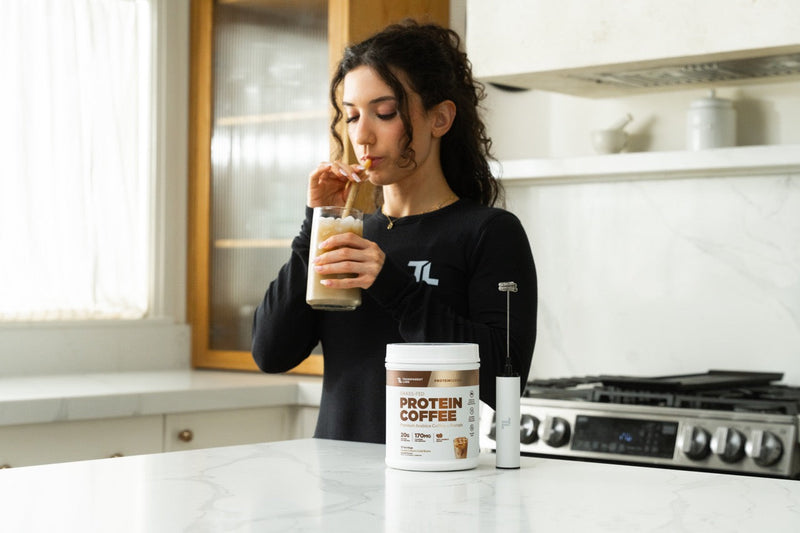
Caffeine is one of the most-researched ergogenic aids in sports nutrition, and coffee is the most common way athletes consume it.
For most people, it's just a morning habit, but used with some intention around timing and dose, it may be a helpful performance tool with decades of evidence behind it.
The Short Answer
Coffee is one of the most widely studied performance compounds across sports nutrition, and for most athletes, caffeine works. Caffeine, the active compound in coffee, is classified as an ergogenic aid and can improve physical performance.
About three-quarters of elite athletes report using it intentionally before a competition, which makes it a rare substance, alongside creatine and carbs, with real, consistent evidence for its effects. Admittedly, caffeine isn’t a golden ticket to optimal performance. The benefits are dose-dependent, timing makes a difference, and in some cases, caffeine can work against you.
What Caffeine Does in the Body
Caffeine removes the signal in the body that tells you that your energy is running low. It doesn’t create energy itself, but by blocking adenosine, caffeine can mislead your system into thinking it has more energy.
Adenosine Receptor Blockade
Adenosine builds up in your brain throughout the day as a natural byproduct of cellular activity. The more it accumulates, the more it binds to receptors that slow neural activity and make you feel fatigued. This is the biological mechanism behind the mid-afternoon slump that many people experience.
Caffeine’s molecular structure is similar enough to the adenosine structure that it fits into the same receptors. Instead of activating them, caffeine blocks them, and the brain stops receiving the fatigue signal. You don’t receive more energy, but your brain is tricked into thinking it has a larger supply and stops the adenosine from binding.
Adrenaline Release and Fat Oxidation
Once adenosine is blocked, the nervous system interprets the shift as a cue to increase arousal. The pituitary gland senses the spike in neural activity and signals the adrenal glands to release adrenaline (epinephrine), resulting in a rise in heart rate and a shift into a higher-output state.
While epinephrine contributes to this response, research suggests that the primary driver of performance benefits is the adenosine blockade itself — working directly through the central nervous system to reduce perceived effort and increase motor unit recruitment. For athletes, this translates into better recruitment of fast-twitch muscle fibers and measurably higher power output.
Caffeine also enhances fat oxidation, which is the rate at which your body burns fat as fuel. During moderate-intensity exercise, particularly in a fasted or low-carbohydrate state, this can spare muscle glycogen, which is your primary fuel for high-intensity effort. Delaying glycogen depletion means you can sustain harder efforts for longer before performance drops off.

This mechanism works in tandem with carbohydrate intake, and limited research suggests that combining caffeine with carbohydrates post-workout may significantly accelerate glycogen resynthesis compared with carbohydrates alone.
One landmark study found 66% more glycogen restored at the four-hour mark, which is a meaningful edge for athletes training twice a day or competing on back-to-back days.
Optimal Coffee Timing and Dosing for Athletes
Caffeine peaks in the bloodstream roughly 60 minutes after consumption, which is why most performance research uses that as the standard pre-exercise window. Some athletes do fine at 30 minutes out, particularly for shorter, high-intensity efforts where you want the stimulant effect to hit closer to go-time
Food slows gastric emptying, which can delay absorption and flatten the peak. Taking caffeine in a fully fasted state speeds uptake but may increase the likelihood of GI discomfort, particularly with brewed coffee. A light meal 60 to 90 minutes before your session, followed by caffeine, is a reasonable middle ground for most athletes.
If your session starts at 7 pm and caffeine has a five-to-six-hour half-life, a full dose at 6 pm means you may still be amped up around midnight. In that scenario, a lower dose at the minimum effective threshold, closer to two to three mg/kg, may preserve the performance benefit while limiting the impact on sleep quality.
As a general starting point, 3 mg/kg, consumed 45 to 60 minutes before exercise, covers most training scenarios. Adjust the timing window based on your session type, and adjust the dose based on when you need to be asleep.
Performance Benefits of Coffee for Athletes
There are some real reasons people reach for caffeine before a workout, such as to enhance alertness, improve performance, or increase focus and cognitive function.
Endurance: Improved Time to Exhaustion
The most consistent performance benefits of caffeine appear in endurance sports. One of the largest analyses to date, a 2020 meta-analysis by Grgic et al., published in the British Journal of Sports Medicine, found that caffeine improved endurance performance by an average of three to five percent.
A three percent improvement in a 40-minute cycling time trial is about 72 seconds, which is often the difference between winning and losing. For a runner targeting a sub-4-hour marathon, a three- to five-percent improvement can shave seven to 12 minutes off their finishing time.
The mechanism ties back to glycogen sparing and adenosine blockade. Caffeine also reduces perceived effort, so the same intensity feels easier, allowing athletes to push harder without hitting the wall they might otherwise hit.
Strength: Small, But Significant Gains in 1RM Studies
The strength-and-power literature shows smaller but statistically significant effects. Multiple studies have found that caffeine supplementation increases one-rep max performance and total training volume in resistance-trained athletes.
The effect on maximal strength is modest, as meta-analyses consistently report small effect sizes, but it is real and reproducible. Caffeine's benefit becomes particularly relevant as a session progresses, since its primary mechanism is to counteract central nervous system fatigue, which helps maintain output quality throughout the session rather than just amplifying the first few sets.
Reaction Time and Cognitive Focus
For team-sport athletes, combat-sport competitors, and anyone whose sport requires split-second decision-making, this is where caffeine really has an advantage. The same adenosine blockade that reduces physical fatigue also sharpens reaction time and increases alertness, both of which may be measurable advantages.
A study of team-sport athletes found improvements in sprint frequency and in the ability to maintain cognitive performance under fatigue, including faster reaction times and better anticipation accuracy in the second half of simulated matches, while placebo groups showed clear declines. All of which really matter during long athletic competitions and can be the difference between winning and losing.
Potential Downsides to Watch
While caffeine has many performance benefits, everything has its downsides and side effects to be mindful of. Each person is different and may react to caffeine intake in varying ways.

Sleep Disruption
Caffeine has a half-life of roughly five to six hours in most people, though genetic variation in the CYP1A2 enzyme means some people metabolize it much faster or slower than average. At 5 hours, half the caffeine from a 3 pm cup of coffee is still circulating in your system at 8 pm. This is important because sleep is where we recover, and without proper sleep, performance benefits can be offset. If you're serious about sleep quality, cut caffeine eight to 10 hours before bed.
GI Issues in Sensitive Individuals
Coffee is a known gastrointestinal stimulant.
-
It increases gut motility
-
Stimulates acid secretion
-
In some athletes causes cramping, urgency, or loose stools (particularly on an empty stomach)
For training sessions, this is often manageable. For race day or competition, when pre-competition nerves are already activating the same gut-brain pathway, adding coffee to the mix can be a liability.
Athletes with sensitive digestive systems may find that caffeine anhydrous (caffeine in dehydrated powder form) causes fewer GI issues than brewed coffee, where the chlorogenic acids and other compounds may compound the stimulant effect on the gut.
Tolerance and Dependence
Regular caffeine consumption leads to tolerance, driven in part by upregulation of adenosine receptors. Over time, habitual users find their baseline intake produces less ergogenic benefit than it once did. Research confirms the performance-enhancing effect is measurably lower after several weeks of consecutive daily use.
Some athletes reduce caffeine before competition to restore sensitivity, but the evidence for this is weaker than it's often presented. The research base is small, the performance advantage is not consistently demonstrated, and withdrawal comes with real downsides, including headaches and reduced cognitive function.
Coffee vs. Caffeine Anhydrous Pre-Workout: Key Differences
Dosing Precision
The ISSN's evidence-based recommendation is three to six mg of caffeine per kilogram of body weight, consumed approximately 60 minutes before exercise. For an 80kg (176 lb) athlete, that's 240 to 480mg of caffeine, which is roughly three to five cups of coffee.

The problem is that "a cup of coffee" is not a unit of measurement. An 8oz drip coffee can contain anywhere from 80 to 180mg of caffeine, depending on bean origin, roast profile, grind size, and brew time. A double espresso from a café might be 120mg or 200mg. Without knowing the concentration, you're guessing at your dose, which makes it difficult to dial in the response you're looking for or to replicate it consistently.
What Coffee Has That Supplements Don't
Brewed coffee contains chlorogenic acids, which are a class of polyphenols with well-documented antioxidant properties that modulate oxidative stress and support insulin sensitivity. These compounds aren't present in caffeine anhydrous pills or most pre-workout formulas, and they contribute to the overall health picture beyond performance.
If you're drinking coffee anyway, you're getting a bonus that a standalone caffeine capsule doesn't provide. For athletes focused purely on performance output, the difference is marginal.
When a Pre-workout Makes Sense
For athletes who want exact dosing, the ability to combine caffeine with other evidence-based ergogenics (like beta-alanine, citrulline, or betaine), and a product that digests cleanly before a session, a dedicated pre-workout is a more controlled approach than coffee. Transparent Labs BULK Pre-Workout, for example, uses a labeled dose of caffeine anhydrous alongside a full evidence-backed ingredient stack, which removes the guesswork and lets you optimize the full pre-training window rather than just the caffeine component.

That said, coffee works. If your budget is limited, your gut handles it fine, and your training doesn't require stacking additional compounds, your morning cup is a legitimate performance tool.
Timing Control
One practical advantage of a labeled caffeine source is timing precision. Because pre-workout powders dissolve quickly and contain a known dose, you can time your intake more reliably relative to your session. With brewed coffee, absorption can vary depending on whether you've eaten, how strong the brew is, and your individual digestion speed.
Bottom Line
The evidence for caffeine as an ergogenic aid is among the most consistent in sports nutrition, spanning endurance, strength, power, and cognition across trained and untrained populations. Used strategically, it's one of the few legal compounds that reliably improve performance across multiple domains.
The caveats exist, but they aren’t limiting. It’s important to dose according to your body weight, time it relative to your session and sleep window, and be honest about whether daily use is blunting the effect you're chasing. If precision matters in your training, a labeled caffeine source solves the dosing problem posed by brewed coffee.
Frequently Asked Questions
Is coffee good or bad for athletes?
Yes, with appropriate dosing and timing. Caffeine is one of the safest and most evidence-backed ergogenic aids available, improving endurance, strength, and cognitive function. The key is treating it with the same intentionality you'd apply to any other performance input.
Does caffeine dehydrate you?
The diuretic effect of caffeine is frequently overstated. At the moderate doses used for performance (under 500mg), caffeine produces a mild diuretic effect that is largely offset by the fluid volume in the coffee itself. Habitual users show very little net fluid loss. This shouldn't be a concern for most athletes under normal training conditions.
Should I cycle off caffeine before a competition?
If you're a habitual daily coffee drinker, yes, it's worth considering. A five- to seven-day washout period before a major event can meaningfully restore caffeine sensitivity, making your pre-competition dose significantly more effective. The tradeoff is managing withdrawal symptoms (fatigue, headaches) during that window, which is best planned for a low-intensity training week.
Is coffee better than pre-workout?
Neither is objectively better. Coffee delivers caffeine alongside beneficial chlorogenic acids and is cost-effective and accessible. Pre-workout gives you labeled dosing, better stackability with other ergogenics, and often better GI tolerance. The right answer depends on your training demands, your gut, and how precise you need to be.
Can I drink coffee before a workout?
Yes, and it may benefit your performance. Caffeine has been shown to have helpful ergogenic benefits for athletes and is generally considered safe. Target three to six mg of caffeine per kilogram of bodyweight, consumed approximately one hour before exercise.

