


Do Electrolytes Help Hangovers? (Science-Based Answer)
If you've ever woken up after a night out feeling like you got hit by a truck, you've probably wondered if there's a science-backed way to feel human again. The internet is full of hangover "remedies," but most of them are either wishful thinking or a placebo.
Electrolytes, however, occupy a different space in the conversation. They're not magic, but they do play a legitimate role in how your body recovers from alcohol's effects. The questions become about understanding what they can and can't fix and how to use them properly.
Quick Answer: Do Electrolytes Help Hangovers?
Here is the Science-Based Answer TL;DR:
-
Electrolytes help your body rehydrate faster than water alone, especially when you've lost fluids through urination, sweating, diarrhea, or vomiting, or have experienced low fluid intake
-
They address symptoms tied to dehydration and electrolyte imbalance: headache, thirst, dry mouth, fatigue
-
They don't "detox" alcohol, speed up its clearance from your system, or fix symptoms caused by inflammation, acetaldehyde buildup, or poor sleep
-
Timing matters: using them before, during, and after drinking provides better support than waiting until morning
Many people are curious, do hydration supplement really work? Electrolytes are a tool, but not a cure. They support one significant piece of hangover recovery—rehydration—, but they can't undo the metabolic chaos alcohol creates. If you're looking for a single solution that erases all hangover symptoms, you won't find it in any drink or supplement. What you will find is a way to rehydrate more effectively and potentially reduce some of the physical discomfort that comes with dehydration.
What Causes a Hangover?
Hangovers are multifactorial, meaning several biological processes contribute to how terrible you feel. Alcohol is a diuretic, which means it increases urine production and causes your body to lose more fluids than it takes in. Alcohol suppresses vasopressin, a hormone that tells your kidneys to retain water. The result is frequent trips to the bathroom and significant fluid loss.
When your liver breaks down alcohol, it produces acetaldehyde, a toxic compound that contributes to nausea and headaches. Alcohol also triggers an inflammatory response in your body, disrupts your sleep architecture (even though it might help you fall asleep initially), and depletes certain nutrients. Some people experience gastrointestinal distress, which can lead to additional fluid and electrolyte losses through vomiting or diarrhea.
The symptoms that electrolytes might help include headache, thirst, dry mouth, dizziness, and physical fatigue—all tied to dehydration and electrolyte imbalance. The symptoms they probably won't touch include anxiety, brain fog, nausea caused by acetaldehyde, and some of the cognitive and physiological effects of poor sleep quality.
How Electrolytes Work in the Body

Electrolytes are minerals that carry an electrical charge and play essential roles in keeping your body functioning. Electrolytes consist of sodium, potassium, magnesium, and chloride. Sodium and chloride work together to regulate fluid balance by helping your body retain water in the right places and maintain blood pressure. Potassium balances sodium's effects and supports nerve and muscle function. Magnesium is involved in hundreds of enzymatic reactions, including muscle relaxation and energy production.
Your body loses electrolytes through sweat, urine, and digestive fluids. When you drink alcohol, the increased urination means you're losing water and these critical minerals that keep your body functioning optimally. Plain water can replace fluids, but it doesn't replace the electrolytes you've lost. This is why water alone isn't always enough for proper hydration, especially after heavy fluid losses.
The science behind oral rehydration solutions (ORS) shows why pairing water with electrolytes is more effective than drinking water alone. Research on dehydration from exercise, heat exposure, and illness shows that drinks containing sodium and a small amount of glucose help your intestines absorb water more efficiently. The sodium creates an osmotic gradient that pulls water into your bloodstream, while glucose enhances sodium absorption. This co-transport mechanism is the reason why hydration supplements can outperform plain water when you're significantly dehydrated.
Do Electrolytes Help Hangovers? The Evidence
While there isn’t much research specifically on electrolytes for hangovers, we can look at similar studies to get a better understanding of how supplementing with electrolytes may help. Research on rehydration after fluid loss—whether from exercise, heat, or gastrointestinal illness—shows that electrolyte beverages restore hydration more effectively than water alone. Studies on oral rehydration solutions show improved fluid retention at sodium concentrations within specific ranges.
Sports drinks and oral rehydration solutions have been studied extensively for their ability to correct dehydration. The World Health Organization's ORS formula includes specific ratios of sodium, potassium, and glucose designed to maximize fluid absorption. While these studies weren't conducted on hungover individuals, the physiological principles remain the same. If you're dehydrated and have lost electrolytes, replacing fluids and minerals helps your body recover faster.
The realistic expectation here is relief, not a cure. If your primary symptoms are thirst, headache, and fatigue tied to dehydration, electrolytes can make a noticeable difference. If your symptoms are dominated by nausea from acetaldehyde, anxiety, or sleep deprivation, electrolytes will help you rehydrate but won't address those underlying issues. Think of them as one component of a broader recovery strategy that includes rest, food, and time.

Best Things to Drink Before, During, and After Drinking
Before drinking: Start your evening well-hydrated. Drink water or an electrolyte beverage in the hours leading up to alcohol consumption. Eating a meal with adequate sodium and carbohydrates also helps—sodium supports fluid retention, and carbohydrates slow alcohol absorption. This doesn't prevent a hangover, but it gives your body a better starting point.
During drinking: Pay attention to the pace of your drinking. Alternate alcoholic drinks with water or an electrolyte drink. Many people find that drinking a glass of water between alcoholic beverages reduces hangover severity the next day. If you're in a situation where you're also sweating (dancing or in a warm environment), electrolytes become even more useful.
The morning after: Focus on steady, consistent rehydration rather than chugging large amounts at once. Sip an electrolyte drink over the course of an hour or two. Your body can only absorb fluids at a certain rate, and overloading your stomach can trigger nausea, especially if you're already feeling queasy. Aim for 16 to 24 ounces of fluid within the first hour of waking, then continue hydrating throughout the day. Pair fluids with bland, easily digestible foods that provide sodium and carbohydrates, such as toast, crackers, and broth-based soups.
Electrolyte Powders vs Sports Drinks vs DIY Options
Electrolyte powders offer convenience and customizable dosing. Most formulas provide sodium, potassium, and magnesium in varying ratios, and many allow you to control the concentration by adjusting the amount of water you mix them with.
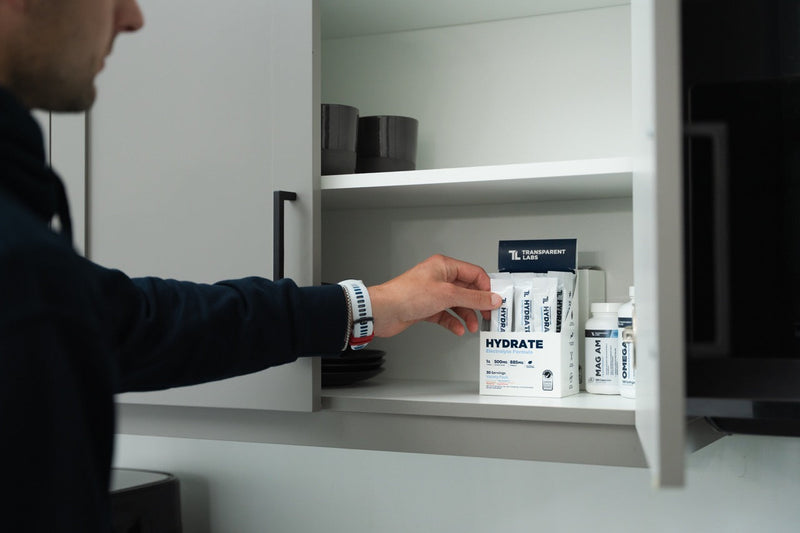
Some formulas contain artificial colors, excessive sugar, or fillers. It’s important to know what you’re looking for in your electrolyte supp to make the best choice. If you’re looking for a cleaner electrolyte option with transparent labeling, you can check out Transparent Labs Hydrate.
Traditional sports drinks are widely available and provide electrolytes and carbohydrates. They work, but they typically contain added sugars, food dye, and artificial ingredients that some people prefer to avoid. Coconut water is another option—it's naturally high in potassium but relatively low in sodium, so it's less effective for rehydration than drinks with higher sodium concentrations.
DIY rehydration solutions are also a simple and effective option. Mix a quarter to half teaspoon of salt with a tablespoon of sugar or honey in 16 to 20 ounces of water, then add a squeeze of citrus for flavor and a small vitamin C boost. This homemade version mimics the basic principle of oral rehydration therapy and works well when you don't have commercial products on hand.
The key is including sodium and a small amount of sugar—the glucose enhances sodium absorption, which in turn improves water uptake. Understanding how much salt to add to water for hydration can help you evaluate whether a product's sodium content makes sense for your needs.
A cleaner formula matters if you pay attention to ingredient quality. A clean electrolyte powder with sodium, potassium, and magnesium eliminates artificial additives while delivering the minerals your body needs. Third-party heavy metal testing adds another layer of confidence, particularly if you're using these products regularly.
All supplements are created differently, and companies may have different sets of regulations. This is why clean, well-tested supplements matter; you never know what a facility's regulations are. The third-party testing ensures the product stands up to the company's claims.
Safety Considerations & Who Should Be Cautious
More electrolytes don't automatically mean better results. Sodium intake recommendations for healthy adults typically range from 1,500 to 2,300 mg per day. While occasional higher intake around drinking events is generally safe for most people, chronic excessive sodium consumption can contribute to high blood pressure and cardiovascular issues.
Certain populations should approach electrolyte supplementation with caution. People with kidney disease, heart disease, or hypertension need to monitor sodium intake carefully, as excess sodium can exacerbate these conditions.
Pregnancy changes fluid balance and electrolyte needs, so pregnant individuals should consult their healthcare provider before using electrolyte supplements. Anyone taking medications that affect kidney function or blood pressure should also check with their doctor.
Hangovers have predictable symptoms, but some warning signs may indicate something more serious. Severe dehydration, inability to keep fluids down for more than 12 hours, chest pain, difficulty breathing, confusion, or seizures are red flags that require immediate medical attention.
These symptoms are more than a typical hangover and could indicate alcohol poisoning, severe electrolyte imbalance, or other medical emergencies. Don't try to self-treat severe symptoms with electrolyte drinks—get medical help from a professional.
Putting It Together: A Simple Electrolyte Protocol for Hangovers
Adding electrolyte supplements to your stack is simple. Whether you want to take them daily or use them to help aid in curing your hangover, it’s as simple as following the correct protocol for the best results.

Example Protocol
Before (two to three hours prior): Drink 16 to 20 ounces of water or an electrolyte beverage. Eat a balanced meal with adequate protein, carbohydrates, and sodium.
During: Alternate each alcoholic drink with eight to 12 ounces of water or an electrolyte drink. Aim to match your alcohol intake with an equal amount of fluid.
Before bed: Drink another 16 ounces of water or electrolytes before sleeping. Keep a glass of water by your bedside in case you wake up thirsty.
Morning after: Start with 16 to 24 ounces of an electrolyte drink, sipped slowly over one to two hours. Continue hydrating throughout the day. Eat bland foods that are high in sodium and carbohydrates. Rest as much as possible.
How to Pair Electrolytes With Other Recovery Basics
Sleep helps your body process alcohol and repair itself. Food provides energy and nutrients that support liver function and stabilize blood sugar. Over-the-counter pain relievers like ibuprofen can help with headaches, but avoid acetaminophen (Tylenol) if you've been drinking heavily, as both alcohol and acetaminophen stress the liver. Talk to a doctor if you have questions about medication use around alcohol.
Sometimes the best approach is to skip supplements altogether and rest. You know yourself best and what is normal or abnormal for your drinking and resulting hangover. When in doubt, always consult a medical professional. While electrolyte supplements are generally safe and effective, each person is unique and may require a different approach.
Conclusion
Electrolytes won't undo last night's decisions, but they'll make the recovery process less miserable. Alcohol dehydrates you, electrolytes help you rehydrate better than plain water, and that translates to fewer symptoms tied to fluid loss. They won't touch the nausea from acetaldehyde or the anxiety from disrupted sleep, but they'll take the edge off the headache and fatigue that come from being depleted.
The real takeaway is that electrolytes work best as part of a strategy, not a standalone fix. Hydrate before, during, and after. Eat something, sleep it off, and if you're going to drink, at least give your body the tools it needs to recover. Your liver will do the heavy lifting, and electrolytes just help clean up the mess.
FAQ
Can I take electrolytes before drinking to prevent a hangover?
Yes, starting well hydrated with adequate electrolytes gives your body a buffer against fluid loss. It won't prevent a hangover entirely, but it may reduce severity.
Is it safe to drink electrolytes if I'm still a bit drunk?
Generally, yes, as long as you can safely swallow and keep fluids down. Electrolytes won't interfere with alcohol metabolism. However, drinking electrolytes doesn't make it safe to drive or operate machinery—you're still impaired until the alcohol is fully metabolized.
Do electrolytes help "flush" alcohol out of my system faster?
No. Your liver metabolizes alcohol at a fixed rate (roughly one standard drink per hour for most people), and electrolytes don't speed up this process. They help you rehydrate, but they don't accelerate alcohol clearance. They will mostly aid in lessening the hangover and providing adequate hydration, which is a major cause of hangovers.
How many servings are too much in one day?
The most important thing here is to check the sodium content of your selected electrolyte supplement. If you're consuming 3,000+ mg of sodium from supplements alone, you're likely overdoing it. Spread servings out and don't exceed recommended doses without reason and stay astute to your personal needs and the supplements quantities.
This article is for informational purposes only and is not a substitute for professional medical advice, diagnosis, or treatment. Electrolytes do not make it safe to drink excessively, do not reduce blood alcohol content, and do not eliminate impairment. Always drink responsibly and never drive under the influence.
Featured Product


