


Best Supplements for Mental Health in 2026 (Research Backed)
Mental health is an area of human wellness that has come into clearer focus with the passage of time, and as consistently greater attention has been devoted to the field. While most of the emphasis has been placed on groundbreaking medications that are able to control symptoms of depression, there is a rapidly growing body of evidence that clearly points to the potency of supplements in supporting overall cognitive resilience and promoting a balanced stress response. [1] [2]
One of the foremost benefits of supplements is their tendency to be far better tolerated than many mental health medications, and with far fewer side effects. Theoretically, this is due to the natural response of your body to the nutrients supplied by supplements, as opposed to the complex interventions of medicines that seek to artificially manipulate your brain’s chemical reactions.
By understanding the ways that different nutrients influence your body’s responses to the various neurotransmitters and hormones that participate in your mental processes, it is quite possible to craft a supplement stack for the sole purpose of improving your mental health. Admittedly, several of the recommended supplements — like creatine and krill oil — will also go a long way toward enhancing the potency of your physical training as well.
To be clear, this should by no means be taken as a recommended path toward the treatment of a diagnosed mental illness or a case of clinically diagnosed depression. However, if you are looking for a natural way to improve your overall mindstate, it is absolutely possible to craft a mental health supplement stack that will improve your outlook on life.
What are the chemical components of mental health?
From a public health standpoint, mental health is often framed as the combination of your emotional, psychological, and social well-being. However, mental health is heavily dependent on the interplay between a host of chemicals at work within your body, and specifically within your brain.
When people discuss concepts like brain chemistry in relation to mental health, the overall complexity of what they’re mentioning is often overlooked. Brain chemistry consists of an intricate network of neurotransmitters and hormones that need to be carefully regulated in order to ensure that everything runs efficiently.

This also means that the overperformance or underperformance of any of these chemicals can lead to imbalances that can manifest themselves in ways that are not conducive to mental health. With this in mind, it is important to understand what the different contributors to brain chemistry are so that you can understand the forces you are seeking to influence through the strategic consumption of specific helpful supplements.
Neurotransmitters
The chemicals that elicit physical responses within your body — both conscious or unconscious — are neurotransmitters. These versatile chemicals are responsible for the signals that influence your thoughts and feelings, along with your body’s movements. Given the diversity of responses that neurotransmitters are able to prompt, it’s unsurprising that there are several different types of neurotransmitters responsible for the myriad signals that influence your mental health.
Serotonin
Commonly simplified into the chemical responsible for positive feelings, serotonin actually plays a role in everything from pain reception and hunger in addition to feelings of well-being, calmness, and emotional stability.
Understandably, shortages or imbalances in serotonin levels are strongly linked to depression, anxiety and sleep disorders. For this reason, there are specific antidepressant medications that work directly on serotonin levels, usually by increasing the volume of serotonin in your brain.
Dopamine
Strongly tied to motivation, dopamine is the chemical that routes your mind toward the completion of goals, and also helps your mind to anticipate the pleasure of accomplishing tasks. To spur you to action, dopamine also helps you to make decisions, sharpens your memory, and helps you to focus.
Shortfalls in dopamine can contribute to conditions like ADHD and depression, which makes sense if the system that inspires your body to pursue objectives is thrown out of whack.
GABA
Shortened from gamma-aminobutyric acid, GABA is responsible for helping to calm your mind, regulate your brain activity, and keep you from feeling excessive stress or nervousness.
If your GABA signaling system is somehow disrupted, it can lead to the development of several anxiety disorders, often exacerbated by other negative conditions like insomnia and epilepsy.
Glutamate
Essential for normal cognitive function, glutamate is responsible for maintaining your brain’s neurons and helping them to fire. This is vital for brain development, and for helping your body to learn information and store memories.
If you fail to regulate the presence of glutamate in your brain, the consequences can be dire. The excessive release of glutamate is associated with conditions like stroke, epilepsy, and Alzheimer’s disease.
Norepinephrine
Responsible for your response to environmental stimuli, norepinephrine helps you to respond quickly and appropriately to events that transpire around you by filtering out distractions and elevating your concentration. Along the way, it also assists with keeping your stress under control.
Because imbalances in norepinephrine are linked to depression and anxiety disorders, some antidepressants focus directly on controlling norepinephrine, including SNRIs and stimulants intended to treat ADHD.
Acetylcholiine
As the most important neurotransmitter for prompting physical movement, acetylcholine works directly with your skeletal muscle to elicit movement. On top of this, acetylcholine plays a role in memory support, and activities related to arousal and digestion.

When acetylcholine signaling is compromised, it can cause serious problems like dementia and Alzheimer’s disease. For this reason, several medications used to treat Alzheimer’s are designed for the purpose of boosting acetylcholine levels, while other medications were created to block acetylcholine’s effects if its levels climb too high.
Hormones
Produced within the different glands in your body, hormones are responsible for prompting the growth and development of your muscles and tissues, along with other unconscious processes. In addition, hormones also send signals to your brain that can serve as subtle encouragement for you to take action to address certain needs and desires.
Cortisol
Most commonly associated with fight-or-flight responses, cortisol helps your body react to stressful situations by regulating your use of nutrients, suppressing inflammation, and sharpening your senses to help you ward off whatever it is that is causing you to feel uneasy.
Sustained cortisol increases can impair your memory, incline your mind more likely to respond with anxiety and fear, and increase susceptibility to depression. Along the way, it can literally reshape the structure of your brain to make it more threat-sensitive.
Oxytocin
Foundational to feelings of attachment and bonding, oxytocin induces sensations of love and interpersonal closeness. When elevated, it can help to reduce feelings of stress and anxiety by reducing brain activity and lowering cortisol levels.
On the downside, low levels of oxytocin are associated with several mental health disorders, including major depressive disorder, postpartum depression, and even bipolar disorder.
Thyroid Hormones
Your thyroid hormones are connected with a number of important physical functions like your metabolism and your use of energy, and also the growth and development of tissues, including your brain.
If your levels of thyroid hormones are too low, it can slow several of your essential physical functions, cause a rapid increase in your weight, and leave you with corresponding feelings of fatigue. Perhaps more importantly, it results in hypothyroidism, which is characterized by brain fog, a lack of concentration, apathy, and depression.
Sex Hormones
While estrogen and testosterone are usually discussed in relation to specific functions in women and men respectively, they play crucial roles in the body. Estrogen is closely linked to memory, serotonin production, and mood stabilization, while testosterone is linked more heavily with dopamine production, libido, assertiveness, and aggression.
Declines in the levels of both estrogen and testosterone are associated with increases in anxiety and depression, combined with lower motivation, and amplified feelings of panic.
Five supplements that can support your mental health
Now that you’re aware of the individual contributors to mental health, it is far easier to understand the chemical components that supplements are naturally acting upon in order to produce mental health benefits. By making use of one or more of the supplements listed below — all of which have been proven in clinical trials to boost measures of mental health — you can take a healthy, nutrition-focused approach to improving the positivity of your brain.
1. Creatine
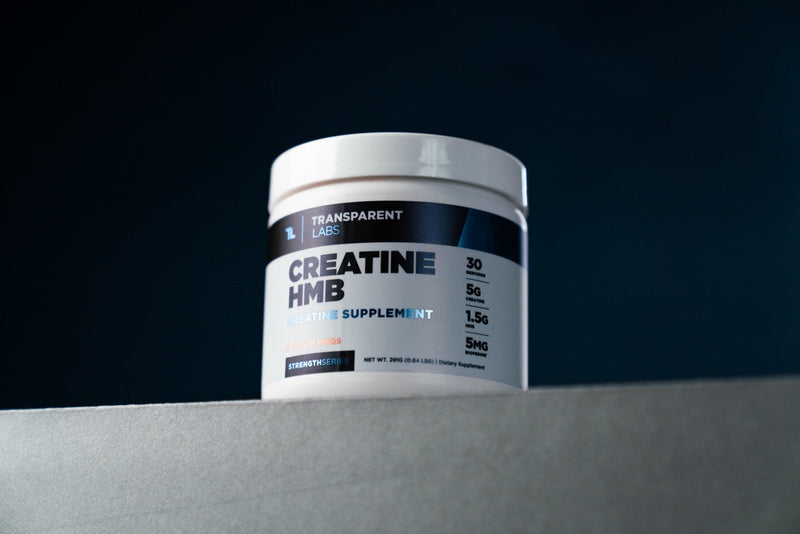
Long associated with increased strength and growth in muscles, not to mention a sizable boost in physical energy, creatine plays an equivalent role in amplifying energy levels in the brain as well.

In a 2025 meta-analysis of clinical trials involving more than 1,000 participants, creatine use resulted in a statistically significant reduction in scores on the Hamilton Depression Rating Scale. [3] In different trials involving other interventions intended to alleviate depressive symptoms, creatine reliably amplified the effects of SSRIs and cognitive behavioral therapy. [4]
2. Ashwagandha
Originally found in traditional Indian medicine, ashwagandha’s capabilities as a stress-release intervention were upheld in clinical trials. In fact, the preponderance of the evidence suggests that ashwagandha can make measurable contributions to mental health improvements even in people who have already been diagnosed with mental health disorders.
A meta-analysis of nine randomized controlled trials involving more than 500 test subjects found that ashwagandha lowered subjects’ scores on the Perceived Stress Scale and the Hamilton Anxiety Scale, while also decreasing cortisol levels. [1]
In a separate meta-analysis of nearly 1,400 participants, ashwagandha improved the stress, anxiety, and depression scores of everyday people, and then repeated these effects in a separate meta-analysis within a pool of participants consistently solely of people who had been diagnosed with mental disorders. [5] [6]
3. Magnesium
The most common modern application for supplemental magnesium — and magnesium bisglycinate in particular — has been in the area of sleep improvement. Because it relaxes muscles and lowers core body temperature to sleep-conducive levels, magnesium has acquired tremendous momentum as a bedtime sleep aide.
As it turns out, magnesium also scores well as a mineral that can reduce symptoms of depression. In a randomized trial involving 126 adults with diagnoses of depression, those who received 248 milligrams of daily magnesium enjoyed a six-point reduction in their scores on the PHQ-9 system of rating depression severity, along with a 4.5-point reduction on the GAD-7 anxiety scale. [7]
Similarly, a meta-analysis of seven randomized controlled trials involving 325 adults with depressive disorder also showed consistent reductions in depression scores in comparison to a placebo, more or less regardless of the specific type of magnesium consumed. [8]

4. Cognition
All-purpose mental performance aids like Cognition contain several ingredients with a track record of improving cognitive function and boosting overall mental energy. Beyond this, many of the same ingredients that assist in these areas have also shown themselves capable of combating depression.
Multiple systematic reviews have concluded that rhodiola rosea is capable of lowering patient depression scores according to multiple scoring systems, with noted reductions in insomnia and emotional instability. [9]
Across two studies, citicoline enhanced the antidepressant effects of SSRIs when taken in low doses, and in high doses it was also capable of reducing the depressive symptoms of patients diagnosed with either major depressive disorder or bipolar depression who also suffered from methamphetamine addiction. [10] [11]
Similarly, in studies stretching from the 1990s into the 2010s, supplementation with phosphatidylserine was able to help elderly patients suffering from major depression to significantly lower their scores on the Hamilton Rating Scale for Depression. [12] [13]
5. Krill Oil
Regarded as a very potent deliverer of omega-3 fatty acids due to the presence of other helpful compounds like phospholipids and astaxanthin, krill oil is advertised for its ability to administer all of the standard benefits associated with omega-3 fatty acids, like cardiovascular support, antioxidant protection, and inflammatory relief.
Beyond these effects, krill oil has shown tremendous promise as a treatment for symptoms of depression. In a randomized, placebo-controlled, double-blind trial involving nearly 60 adults with major depressive disorder, krill oil contributed to a significant reduction in depression scores in comparison to a placebo, while also reducing measures of anxiety and stress. [14]
Stacking mental stability
Mental health is a complex issue that is not to be taken lightly, and if you fear that you are suffering from serious depression, anxiety, or any other mental malady that has left you feeling compromised, you are strongly encouraged to consult with the appropriate healthcare provider.
With that being said, if you find yourself feeling more anxious and downcast than you think you otherwise should, exploring natural options such as a supplement stack could be a positive first step in supporting your overall well-being.
Sources
-
Velan Arumugam, Venugopal Vijayakumar, Arthi Balakrishnan, Rudra B Bhandari, Deenadayalan Boopalan, Ramesh Ponnurangam, Venkateswaran Sankaralingam Thirupathy, Maheshkumar Kuppusamy, Effects of Ashwagandha (Withania Somnifera) on stress and anxiety: A systematic review and meta-analysis, EXPLORE, Volume 20, Issue 6, 2024, 103062, ISSN 1550-8307
-
Shahinfar H, Yazdian Z, Avini NA, Torabinasab K, Shab-Bidar S. A systematic review and dose response meta analysis of Omega 3 supplementation on cognitive function. Sci Rep. 2025 Aug 20;15(1):30610. doi: 10.1038/s41598-025-16129-8. PMID: 40836005; PMCID: PMC12368174.
-
Eckert I, Lima J, Dariva AA. Creatine supplementation for treating symptoms of depression: a systematic review and meta-analysis. British Journal of Nutrition. 2025;134(11):947-959. doi:10.1017/S0007114525105588Published online 5 November 2025.
-
Jeryous Fares B, Zhou C, Fabiano N, Wong S, Stubbs B, Shorr R, Puder D, Candow DG, Ostojic SM, Solmi M. The Effect of Creatine Monohydrate on Mental Disorders: A Systematic Review of Randomized Controlled Trials: Effet du monohydrate de créatine sur les troubles mentaux : examen systématique des essais contrôlés à répartition aléatoire. Can J Psychiatry. 2026 Jan 20:7067437251408171. doi: 10.1177/07067437251408171. Epub ahead of print. PMID: 41558805; PMCID: PMC12823350.
-
Saleh A. Alsanie, Fahad Saad Alhodieb, Moein Askarpour, Effects of ashwagandha (Withania somnifera) on mental health in adults: A systematic review and dose–response meta-analysis of randomized controlled trials, Complementary Therapies in Medicine, Volume 97, 2026, 103325, ISSN 0965-2299
-
Marchi M, Grenzi P, Travascio A, Uberti D, De Micheli E, Quartaroli F, Laquatra G, Pingani L, Ferrari S, Galeazzi GM. The effect of Withania somnifera (Ashwagandha) on mental health symptoms in individuals with mental disorders: systematic review and meta-analysis. BJPsych Open. 2025;11(6):e260. doi:10.1192/bjo.2025.10885Published online 27 October 2025.
-
Tarleton EK, Littenberg B, MacLean CD, Kennedy AG, Daley C (2017) Role of magnesium supplementation in the treatment of depression: A randomized clinical trial. PLoS ONE 12(6): e0180067. https://doi.org/10.1371/journal.pone.0180067
-
Moabedi M, Aliakbari M, Erfanian S, Milajerdi A. Magnesium supplementation beneficially affects depression in adults with depressive disorder: a systematic review and meta-analysis of randomized clinical trials. Front Psychiatry. 2023 Dec 22;14:1333261. doi: 10.3389/fpsyt.2023.1333261. PMID: 38213402; PMCID: PMC10783196.
-
Darbinyan, V., Aslanyan, G., Amroyan, E., Gabrielyan, E., Malmström, C., & Panossian, A. (2007). Clinical trial of Rhodiola rosea L. extract SHR-5 in the treatment of mild to moderate depression. Nordic Journal of Psychiatry, 61(5), 343–348. https://doi.org/10.1080/08039480701643290
-
Roohi-Azizi M, Arabzadeh S, Amidfar M, Salimi S, Zarindast MR, Talaei A, Akhondzadeh S. Citicoline Combination Therapy for Major Depressive Disorder: A Randomized, Double-Blind, Placebo-Controlled Trial. Clin Neuropharmacol. 2017 Jan/Feb;40(1):1-5. doi: 10.1097/WNF.0000000000000185. PMID: 28085707.
-
Brown ES, Gabrielson B. A randomized, double-blind, placebo-controlled trial of citicoline for bipolar and unipolar depression and methamphetamine dependence. J Affect Disord. 2012 Dec 20;143(1-3):257-60. doi: 10.1016/j.jad.2012.05.006. Epub 2012 Sep 11. PMID: 22974472.
-
Maggioni M, Picotti GB, Bondiolotti GP, Panerai A, Cenacchi T, Nobile P, Brambilla F. Effects of phosphatidylserine therapy in geriatric patients with depressive disorders. Acta Psychiatr Scand. 1990 Mar;81(3):265-70. doi: 10.1111/j.1600-0447.1990.tb06494.x. PMID: 1693032.
-
Komori T (2015), "The effects of phosphatidylserine and omega-3 fatty acid-containing supplement on late life depression". Mental Illness, Vol. 7 No. 1 pp. 7–11, doi: https://doi.org/10.1108/mi.2015.5647
-
Murat Açik, Funda Pınar Çakiroğlu, Atilla Tekin, Aslı Egeli, The effect of fish oil versus krill oil intervention on clinical symptoms and cardiometabolic risk factors in patients with major depressive disorder: A randomized placebo-controlled double-blind trial, Journal of Affective Disorders, Volume 380, 2025, Pages 171-180, ISSN 0165-0327.
Featured Product


