


Rating Workout Recovery Trends in 2026 (Scale of 1-10)
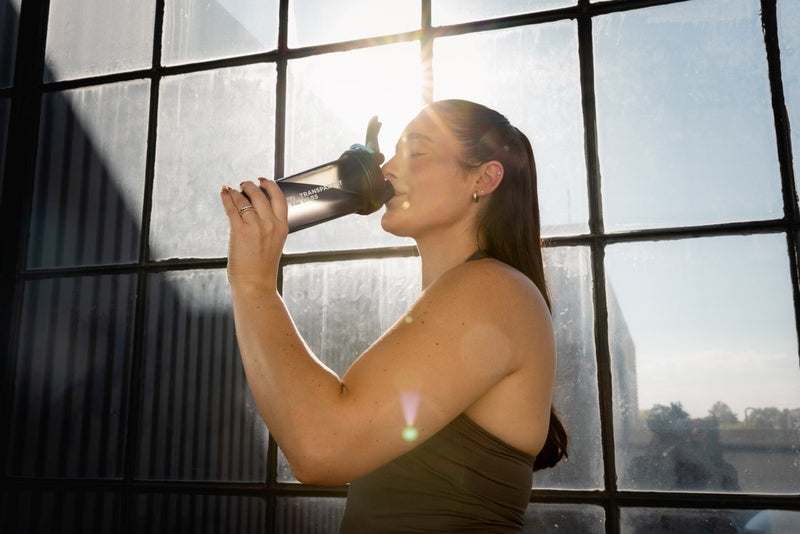
It takes a great deal of discipline to not allow trendiness to trump truthfulness when it’s time to acknowledge what works in the field of health and fitness. This is especially true when it comes to establishing what methods work best for recovery, and which don’t. Regardless, there is an undeniable allure to trends, and the acknowledged benefits of appearing trendy might tempt you to stray from recovery methods that actually work in favor of what’s eyecatching or popular.
To help you orient yourself to the landscape of recovery trends in 2026, and to prevent yourself from straying into actions that aren’t accelerating your recovery to any appreciable degree, we are rating 10 of the most popular workout recovery trends on a scale of 1-10. Throughout the process, we will be supplying separate ratings supplied to reflect the overall effectiveness and convenience of each trend.
Please be aware that the overall rating provided to each approach is a reflection of the general benefit the trend is perceived to be in helping most people recover from their workouts if they were to incorporate those recovery methods into their lives. In essence, the ratings are not the averages of the convenience and effectiveness scores.
Those lesser scores surely factor into the overall score, but different weights may be applied to each rating depending on a host of other factors. For example, a highly effective recovery method may be inconvenient for most people, but in the long run, the method’s benefits to those who devote themselves to its continual use is of far more significance than its inconvenience to people who would never use it under any circumstances.
10. Biometric Bands
Convenience: 9.0
Effectiveness: 1.0
Overall: 2.0
Wearing data-driven recovery tools on your body, like biometric bands, is a step in the right direction for people who need to plan their recovery or refine their strategy. This modern method of information gathering merely requires you to strap a watch-like device to your wrist, and let it record information on your blood-oxygen levels, sleep quality, and body temperature.
The high-tech capabilities of these devices can provide valuable information to you about the way your body is reacting to your activities and environmental changes throughout the day. All the same, in terms of the practical quality of the trend, biometric bands rank squarely at the bottom of the list because they fall into the category of devices that help you lay out a blueprint to do the work without directly contributing to any work in and of themselves.

In a lot of ways, this is the fitness equivalent of writing out a schedule for completing your homework that looks nice on paper, but unless you apply yourself and do the deliberate work of reading, writing, and studying, you’re still going to wind up with a failing grade. To this end, biometric bands can help you to establish a plan for recovery, but unless you follow through with it, then the colorful band is nothing other than a glorified bracelet.
9. Heat Therapy
Convenience: 7.0
Effectiveness: 3.0
Overall: 3.5
The reason heat therapy ranks relatively low on this list is because the breadth of its benefits is debated. In fact, even in the most evident cases of heat therapy supplying athletes with a verifiable recovery advantage, there are other methods similar to heat therapy in their application that offer clearer and more pronounced recovery benefits.
More to the point, much of heat therapy’s allure seems to stem from the fact that heat application is preferable to cold application for those who like temperature-based solutions, or less intrusive than percussive therapy.
In reality, the best evidence of heat therapy offering a recovery benefit is in the area of increased blood flow and nutrient delivery following exercise, with local application of heat reducing muscle marker damage immediately after training. Still, the same evidence also indicates that cold-based applications are superior to heat in reducing these markers 24 hours after training. (1)
8. Contrast Therapy
Convenience: 6.0
Effectiveness: 5.0
Overall: 5.0
Upon further review, there are reasons to suspect that the majority of the benefits from contrast therapy — the act of alternating the application of hot and cold temperatures to the body after training — are supplied by the cold side of the thermal equation. The reason for this is that the activity predictably reduces DOMS and stiffness in a way that exceeds that of passive recovery, but at best appears to approach the effectiveness of cold-water therapy alone, while being slightly superior to heat therapy. (1)
Given the evidence, it’s safe to say that most athletes would be better off opting for a cold plunge or a similar application of icy sensations if they choose to go the temperature route, because the practice of alternating temperatures seems to be of little benefit aside from interspersing the discomfort caused by the ice cold temperatures with heat.
7. Red-light Therapy
Convenience: 4.0
Effectiveness: 7.0
Overall: 6.0
One of the latest innovations in muscle recovery is red-light therapy, which entails the application of near-infrared light through your skin and into your muscle tissue without heating your skin in the process. This process is said to eliminate harmful nitric oxide from your cells, enabling them to replenish their energy more rapidly.
As implausible as this may sound at first, studies have shown that this light-based therapy is capable of reducing DOMS, accelerating muscle recovery, lowering muscle damage markers, and even increasing the rate of post-exercise muscle hypertrophy. (2)
As favorable as the evidence appears, many of the studies supporting these findings have been so small that their findings have had doubt cast upon them. Recognizing this fact, we find it necessary to rank red-light therapy behind some of the means of aiding muscle recovery that have stood the test of time, and that have more evidence to support their efficacy.
On top of this, red light therapy seems to be a recovery method that is best reserved for people who exercise at home, since even small, portable red-light devices — assuming they are still effective, might be seen as intrusive if they were arranged inside of a gym’s changing room.
6. Compression
Convenience: 9.0
Effectiveness: 5.0
Overall: 6.5
Compression beats most of the other external sources of muscle recovery for convenience, as achieving the prescribed compression level can be a simple matter of donning the proper clothing.

However, there’s a tradeoff in effectiveness associated with that ease. Specifically, the benefits of compression tend to be small to moderate in comparison with some of the other methods on this list. Again, this assumes the appropriate level of compression is applied, since high pressure is more effective than low pressure for aiding recovery.
Another crucial tradeoff is that there is no confirmed link between compression and a lowering of muscle damage markers, leading to the belief that some of the perceived improvements in comfort that accompany compression are perceptual rather than rooted in science.
This aside, compression still results in a reduction in muscle soreness and swelling after exercise, while enhancing blood circulation, and improving strength restoration. (3) (4) Therefore, the low barriers to entry for employing post-exercise compression can make it a worthwhile method for restoring muscle function, particularly if an additional recovery tool can be used to directly combat muscle damage.
5. Cold Plunges
Convenience: 2.5
Effectiveness: 8.0
Overall: 7.5
As cool (honestly, no pun intended) as cold plunging can look, especially because it communicates to everyone your tolerance for cold temperatures, and can help you to display your mental toughness, there are a few things about cold plunging that you need to keep in mind before you take the plunge on a regular basis.
To cold plunging’s credit, the act of immersing oneself in frigid water for 10-15 minutes at a time consistently reduces soreness, markers of muscle damage, and inflammation. (5) Some studies have even found cold-plunging to be more effective at eliminating muscle soreness than active recovery. (6)
On the other hand, there is apparently a crucial downside to cold plunging that should not be glossed over, and which prevents its effectiveness score from ascending even higher. If your goal is to increase your muscle size, several studies show cold plunging can interfere with muscle hypertrophy by inhibiting the inflammation that spawns muscle growth. (T7BLL) Therefore, cold plunging seems to be a valuable recovery tool as long as you’re not concerned with maximizing muscle size… which many athletes are.
Of course, none of this addresses the matter of access. Even tiny, inexpensive cold plunges require the use of copious amounts of water, and can take up considerable space. Furthermore, few gyms or fitness facilities supply them to members, so you’ll have to account for a lot of dripping water inside of your home.
This aside, if you don’t mind getting wet, the uniform application of the icy water to every part of your anatomy means that all you need to do is immerse yourself and tolerate the frigid temperature for the allotted time to avail yourself of its proven advantages.
4. Foam Rolling
Convenience: 7.0
Effectiveness: 8.0
Overall: 8.0
As a low-tech aid to muscle recovery, foam rolling is right at the top of the list, and a great many physical therapy professionals swear by the practice. They are a proven tool for reducing delayed onset muscle soreness, and individually treating large muscle groups for the sake of improving range of motion and reducing muscle stiffness. (8)
That said, the advantage of foam rollers is also one of their drawbacks. For example, they are excellent tools for targeting specific muscle groups, but this also means that their benefits can still only be experienced by one set of muscles at a time. Furthermore, foam rolling is not as passive of an activity as some of the other recovery solutions on this list, and to effectively perform self-myofascial release on your entire body, you may require you to crawl onto the floor.
This aside, foam rollers can be convenient tools to bring in your car or travel bag, particularly if you happen to own a collapsable model that packs flat. This feature boosts foam rollers accessibility and practicality, whether you’re at home, at the gym, or even at your workplace.
3. Massage Guns
Convenience: 9.0
Effectiveness: 8.0
Overall: 8.5
Massage guns are certainly flashier than foam rollers, but the flash is matched by proven benefits. Regular application of percussive treatment administered by massage guns has been shown to reduce muscle soreness, fatigue, and markers of muscle damage. (9) In fact, percussive treatment was proven to be more effective than static stretching for eliminating delayed onset muscle soreness, and can even improve blood flow and restore lost range of motion. (10)

The primary advantage massage guns have over foam rolling is their ability to apply highly targeted pressure to specific areas of the body that are in need of treatment without having to contort your body or assume a position on your living room floor.
Conversely, the benefits of massage guns are isolated to smaller individual regions as opposed to the broader application of foam rollers, and they certainly lack the whole-body application of methods like cold plunging. On top of that, in order to effectively reach every part of your anatomy with a massage gun, you may need the help of a friend or partner. This aside, the massage gun’s ability to treat muscles while your body remains upright gives it a slight overall edge over foam rolling.
2. Active Recovery
Convenience: 9.0
Effectiveness: 7.0
Overall: 8.5
Simply by engaging in some active recovery following training, you’ll be assisting your body in its efforts to clear lactate and waste from your system, while aiding the delivery of helpful nutrients to damaged areas of your body, and decreasing muscle damage markers and soreness.
According to a number of respected health organizations, including the American Heart Association, a minimum of five minutes of slow walking, pedaling, or swimming (ideally 10 minutes) is all that is needed to effectively flush toxins from your body and accelerate recovery.
The relative ease of tacking this short amount of time onto your workouts makes active recovery one of the most convenient methods of post-workout recovery there is. This is especially true in light of the fact that the blood-flow component naturally distributes the helpful physiological changes throughout your body rather than isolating them to muscles and regions that are individually targeted.
Certainly, the comparative ease of active recovery would be meaningless if the process was ineffective, but this is not the case. A meta-analysis of different post-workout recovery methods identified active recovery through moderate-intensity exercise as being effective at clearing blood lactate, while others have routinely found it to be a consistent reducer of DOMS. (11) (12)
However, there is limited evidence as to the effectiveness of active recovery as a reliable tool for reducing markers of muscle damage. (13) This is an important factor to keep in mind when comparing active recovery with other recovery methods that necessitate a bit more effort, but come with the added benefit of muscle damage mitigation.
1.Recovery-Focused Nutrition
Convenience: 9.5
Effectiveness: 10
Overall: 10
The most reliable way to ensure that your body actually completes a full repair process during each workout-recovery cycle is to furnish it with the nutrients it requires to do the job. All things considered, there is very little that the proper balance of macronutrients (with an extra emphasis on protein), combined with creatine, vitamins, minerals, omega 3 fatty acids, and optimal hydration can’t do to repair your body in the wake of training.
Obviously, the caveat is that you need to develop a routine of consuming the correct foods to bring about the recovery you’re hoping for, and eschew substances like alcohol that might exacerbate muscle problems or delay recovery.
On the other hand, if you’re specifically tailoring your diet to improve recovery, a host of studies have conclusively proven that several supplements — including whey protein, creatine, and omega-3 fatty acids — can all individually reduce markers of muscle damage, and alleviate soreness, while omega-3s go the additional step of reducing oxidative stress. (14) (15) (16) Meanwhile, vitamin D and magnesium, both of which can often be colocated within the same multivitamins, have also been proven to play roles in reducing muscle soreness. (17) (18)

From a convenience standpoint, it’s tough to argue that supplementation shouldn’t be your foremost method of combating muscle damage, particularly when you take into account that you need to eat food at some point after you train, and your body naturally sends the nutrients where they are needed. In essence, taking the supplemental approach is a simple matter of making sure that you have the right items within arms reach whenever you sit down for a meal, or reach for a glass of water.
Why choose?
While assigning ratings to recovery trends is a fun exercise, the most important takeaway here should be that almost all of the solutions listed here will do something to conclusively help you recover from training and prepare you for the next round. Conceding this, there is no reason why you can’t avail yourself of two or more of these workout recovery methods on a daily basis.
Practically speaking, there’s nothing preventing you from chugging a creatine-protein shake following your active recovery walk on a treadmill, and right before you drive home to plant yourself in front of your red-light therapy station. After all, if you’re going to ride fitness recovery trends, there’s no rule that prevents you from simultaneously turning all of the most helpful methods to your advantage.
Sources
-
Petrofsky JS, Khowailed IA, Lee H, Berk L, Bains GS, Akerkar S, Shah J, Al-Dabbak F, Laymon MS. Cold Vs. Heat After Exercise-Is There a Clear Winner for Muscle Soreness. J Strength Cond Res. 2015 Nov;29(11):3245-52. doi: 10.1519/JSC.0000000000001127. PMID: 26502272.
-
Ferraresi C, Huang YY, Hamblin MR. Photobiomodulation in human muscle tissue: an advantage in sports performance? J Biophotonics. 2016 Dec;9(11-12):1273-1299. doi: 10.1002/jbio.201600176. Epub 2016 Nov 22. PMID: 27874264; PMCID: PMC5167494.
-
Kim J, Kim J, Lee J. Effect of compression garments on delayed-onset muscle soreness and blood inflammatory markers after eccentric exercise: a randomized controlled trial. J Exerc Rehabil. 2017 Oct 30;13(5):541-545. doi: 10.12965/jer.1735088.554. PMID: 29114528; PMCID: PMC5667600.
-
Brown F, Gissane C, Howatson G, van Someren K, Pedlar C, Hill J. Compression Garments and Recovery from Exercise: A Meta-Analysis. Sports Med. 2017 Nov;47(11):2245-2267. doi: 10.1007/s40279-017-0728-9. PMID: 28434152.
-
Xiao F, Kabachkova AV, Jiao L, Zhao H, Kapilevich LV. Effects of cold water immersion after exercise on fatigue recovery and exercise performance--meta analysis. Front Physiol. 2023 Jan 20;14:1006512. doi: 10.3389/fphys.2023.1006512. PMID: 36744038; PMCID: PMC9896520.
-
Surabhi Namdev, Archana Nimoda. A comparative study on the effects of different recovery strategies on delayed onset muscle soreness (DOMS), metabolic markers, and performance outcomes in trained athletes using physiological testing protocols. Int J Phys Educ Sports Health 2025;12(4):199-204. DOI: 10.22271/kheljournal.2025.v12.i4d.3895
-
Roberts LA, Raastad T, Markworth JF, Figueiredo VC, Egner IM, Shield A, Cameron-Smith D, Coombes JS, Peake JM. Post-exercise cold water immersion attenuates acute anabolic signalling and long-term adaptations in muscle to strength training. J Physiol. 2015 Sep 15;593(18):4285-301. doi: 10.1113/JP270570. Epub 2015 Aug 13. PMID: 26174323; PMCID: PMC4594298.
-
Pearcey GE, Bradbury-Squires DJ, Kawamoto JE, Drinkwater EJ, Behm DG, Button DC. Foam rolling for delayed-onset muscle soreness and recovery of dynamic performance measures. J Athl Train. 2015 Jan;50(1):5-13. doi: 10.4085/1062-6050-50.1.01. Epub 2014 Nov 21. PMID: 25415413; PMCID: PMC4299735.
-
Imtiyaz S, Veqar Z, Shareef MY. To Compare the Effect of Vibration Therapy and Massage in Prevention of Delayed Onset Muscle Soreness (DOMS). J Clin Diagn Res. 2014 Jan;8(1):133-6. doi: 10.7860/JCDR/2014/7294.3971. Epub 2014 Jan 12. PMID: 24596744; PMCID: PMC3939523.
-
Ferreira RM, Silva R, Vigário P, Martins PN, Casanova F, Fernandes RJ, Sampaio AR. The Effects of Massage Guns on Performance and Recovery: A Systematic Review. J Funct Morphol Kinesiol. 2023 Sep 18;8(3):138. doi: 10.3390/jfmk8030138. PMID: 37754971; PMCID: PMC10532323.
-
Gu P, Zhang L, Zheng X, Zhang X. Effects of post-exercise recovery methods on exercise-induced hormones and blood fatigue factors: a systematic review and meta-analysis. Ann Palliat Med 2021;10(1):184-193. doi: 10.21037/apm-20-2409
-
Roberto Lohn Nahon, Jaqueline Santos Silva Lopes, Aníbal Monteiro de Magalhães Neto, Physical therapy interventions for the treatment of delayed onset muscle soreness (DOMS): Systematic review and meta-analysis, Physical Therapy in Sport, Volume 52, 2021, Pages 1-12, ISSN 1466-853X, https://doi.org/10.1016/j.ptsp.2021.07.005.
-
Dupuy O, Douzi W, Theurot D, Bosquet L, Dugué B. An Evidence-Based Approach for Choosing Post-exercise Recovery Techniques to Reduce Markers of Muscle Damage, Soreness, Fatigue, and Inflammation: A Systematic Review With Meta-Analysis. Front Physiol. 2018 Apr 26;9:403. doi: 10.3389/fphys.2018.00403. PMID: 29755363; PMCID: PMC5932411.
-
Kim, C. B., Ahn, D., Kim, J. B., Park, H. S., Kim, H. J., & Park, J. J. (2026). Diet-Controlled Whey Protein Supplementation: Mitigating Serum Creatine Kinase Levels After Continuous Resistance Exercise. Journal of the American Nutrition Association, 45(2), 158–164. https://doi.org/10.1080/27697061.2025.2548514
-
Jiaming, Y., & Rahimi, M. H. (2021). Creatine supplementation effect on recovery following exercise-induced muscle damage: A systematic review and meta-analysis of randomized controlled trials. Journal of Food Biochemistry, 45, e13916. https://doi.org/10.1111/jfbc.13916
-
Fernández-Lázaro D, Arribalzaga S, Gutiérrez-Abejón E, Azarbayjani MA, Mielgo-Ayuso J, Roche E. Omega-3 Fatty Acid Supplementation on Post-Exercise Inflammation, Muscle Damage, Oxidative Response, and Sports Performance in Physically Healthy Adults-A Systematic Review of Randomized Controlled Trials. Nutrients. 2024 Jun 27;16(13):2044. doi: 10.3390/nu16132044. PMID: 38999792; PMCID: PMC11243702.
-
Tarsitano MG, Quinzi F, Folino K, Greco F, Oranges FP, Cerulli C, Emerenziani GP. Effects of magnesium supplementation on muscle soreness in different type of physical activities: a systematic review. J Transl Med. 2024 Jul 5;22(1):629. doi: 10.1186/s12967-024-05434-x. PMID: 38970118; PMCID: PMC11227245.
-
Pilch W, Kita B, Piotrowska A, Tota Ł, Maciejczyk M, Czerwińska-Ledwig O, Sadowska-Krepa E, Kita S, Pałka T. The effect of vitamin D supplementation on the muscle damage after eccentric exercise in young men: a randomized, control trial. J Int Soc Sports Nutr. 2020 Nov 11;17(1):53. doi: 10.1186/s12970-020-00386-1. PMID: 33176796; PMCID: PMC7661179.
Featured Product


