


When Is It Truly Too Cold to Train Outside?
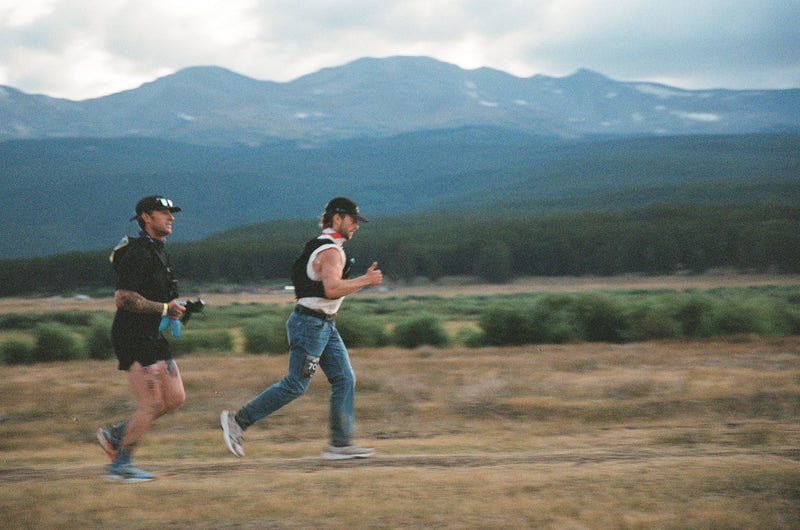
You may think of training in the bitterly cold outdoors as a mark of your toughness, like when you opted to complete the polar bear swimming challenge during summer camp. On the flipside, you might be the person who substitutes the treadmill for your neighborhood’s sidewalk the instant you think you can see the faint outline of your breath floating in the air in front of you.
Certainly there is a point where you’re actually putting yourself in danger by training outside no matter how much of the prickly cold you think you can endure. The question is, what is that point?
The Surprising Risk of Hypothermia
Your foremost concern with training in the cold is going to be hypothermia, which occurs when your body’s core temperature dips below 95 °F. You may think that you’re avoiding this by training in temperatures above the point where water freezes, but the majority of hypothermia cases occur at between 30 °F and 50 °F — in a zone where people tend to think they’re perfectly safe.
This means that even if you’re training while immersed in an air temperature that seems tolerable, you should add more layers than you think you need just to be on the safe side.

The Wind and the Water
You may think that wind chill makes things harsher for your body because of how it seems to pierce right through your core, but it actually only changes your mental perception of the cold. Your body is constantly pumping heat to your skin to counteract the cold outer temperature; the wind chill counteracts this in a way that enables your brain to process the full extent of what your body is actually experiencing the entire time.
The more pressing concern comes in the form of the moisture that you sweat out onto your skin, and into your clothing. Once you perspire, the moisture leaving your body will turn against you rapidly if it enters a frigid atmosphere, and your perspiration will freeze against your skin or within the fibers of your clothing. Since water carries heat away from your body 25 times faster than air, it can dramatically accelerate the pace at which you begin to experience the symptoms of hypothermia.
The Non-Negotiable Temperature Range
Certain temperature ranges should simply be avoided at all costs. For instance, even if you’re bundled up to the Nth degree in countless layers of clothing, you will still become hypothermic in less than 10 minutes if you hang around in sub-zero temperatures.
Aside from the threat of hypothermia being greatly amplified, the real reason the temperature is downright deadly once it reaches 10 °F or below is because ice crystals are capable of forming in your body. The inhalation of frigid air can induce asthma-like symptoms in perfectly healthy people, so no matter how motivated you might be, don’t even think about training outside if the temperature reaches 10 degrees or below.
Be Tough and Warm
The best way to demonstrate your toughness during your cardio is by picking up the pace, lengthening your running distance, or rucking with a heavier weight. Unnecessarily exposing your body to dangerously cold temperatures is a certain path to health problems ranging from damaged skin to far more troublesome issues, lung inflammation, and of the disorienting problems linked with hypothermia.
Takeaways
-
Hypothermia is the most common problem associated with training in cold temperatures.
-
Hypothermia can occur in air temperatures several degrees warmer than the freezing point of water (32 °F).
-
Wind chill is simply a matter of mental perception and doesn’t cause additional damage, but water against your skin draws heat out of your body 25 times faster than air.
-
Sub zero temperatures can induce hypothermia-like symptoms in less than 10 minutes, but even air temperatures of 10 °F can cause ice crystals to form in body tissues and induce asthma-like symptoms.
-
Avoid air training in air temperatures of 10 °F or less at all costs, and always wear more clothing than you think you need in temperatures below 50 °F.
Featured Product


